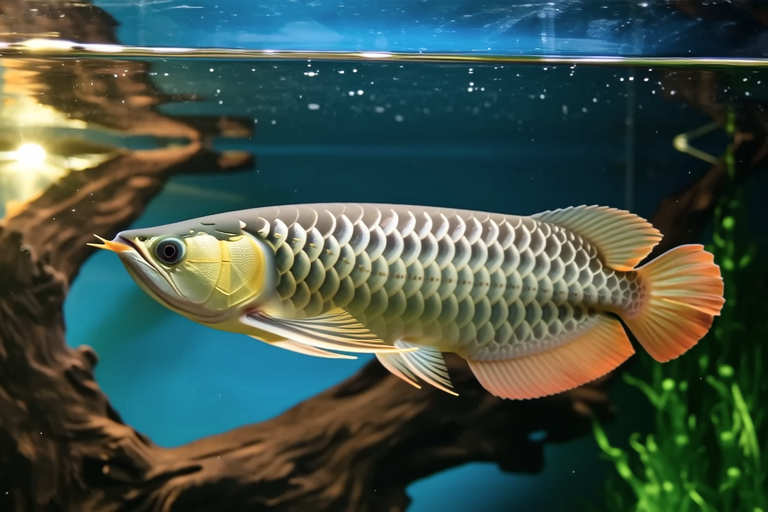
Arowana Owners Reveal: Secrets to Keeping This Exotic Pet Thriving
For those captivated by the allure of the arowana, this guide offers invaluable insights into maintaining these magnificent creatures in your home aquarium. From setting up the perfect environment to feeding them appropriately and understanding their behavior, we delve into the secrets shared by experienced owners.
The Optimal Tank Setup
Creating a suitable habitat is crucial for the well-being of your arowana. These fish require ample space; a minimum tank size of 300 gallons is recommended for a single adult arowana. The tank should be long rather than tall to allow for swimming. A spacious tank also aids in maintaining stable water parameters.
Substrate selection is vital. Sand or fine gravel prevents injuries while providing a natural look. Decorations like driftwood, rocks, and plants enhance the environment. However, ensure that any added elements are securely placed to prevent potential hazards.
Lighting is essential but should not be too intense. Soft, indirect lighting mimics their natural habitat and reduces stress. Additionally, incorporating a robust filtration system ensures clean water and adequate oxygenation.
Water Conditions
Maintaining pristine water quality is paramount. Arowanas prefer slightly acidic to neutral water with a pH range between 6.5 and 7.5. Water hardness should be kept within the soft to medium-hard range, ideally around 5-12 dGH.
Temperature control is critical, as arowanas thrive in warm waters between 78°F and 84°F (25°C to 29°C). Use a reliable heater and monitor temperature closely. Regular water changes—about 10% weekly—are necessary to keep toxins at bay.
Adequate aeration is non-negotiable. Oxygen-rich environments promote health and vitality. Consider using air stones or powerheads to circulate water effectively.
Diet Specifics
Arowanas are carnivorous and require a balanced diet rich in protein. Their menu typically includes live or frozen foods such as feeder fish, shrimp, and insects. Some owners have successfully transitioned their pets to accept high-quality pellets designed for large predatory fish.
Feeding frequency varies based on age and size. Younger arowanas need more frequent meals, whereas adults can be fed every other day. Overfeeding leads to obesity and health issues, so moderation is key.
Supplementing with vitamins and minerals ensures nutritional completeness. Consult with aquatic specialists for specific dietary recommendations tailored to your pet’s needs.
Behavioral Insights
Arowanas exhibit fascinating behaviors that reflect their wild counterparts. They are intelligent and curious, often displaying territorial tendencies. Understanding these traits helps foster a harmonious relationship.
Social interaction plays a significant role. While some arowanas enjoy company, others prefer solitude. Observing their behavior will help determine whether they are comfortable with tank mates or require solitary quarters.
Training can strengthen the bond between you and your pet. Simple tricks, like teaching them to take food from your hand, enhance engagement and mental stimulation.
Common Mistakes to Avoid
Underestimating space requirements is a prevalent error. Insufficient room restricts movement and can lead to stress-related illnesses. Always opt for the largest tank possible.
Improper water chemistry is another pitfall. Neglecting regular testing and adjustments can result in harmful conditions. Invest in reliable test kits and learn how to interpret results accurately.
Inadequate filtration systems cause excessive waste accumulation. Choose a filtration unit capable of handling the tank volume and adjust settings accordingly.
Success Stories from Experienced Owners
One owner recounts how their arowana, initially timid and shy, transformed into a confident and interactive companion after establishing a routine. Another shares tales of overcoming breeding challenges, resulting in thriving offspring.
These narratives underscore the rewarding aspects of arowana ownership when approached with dedication and knowledge. Each story serves as inspiration for aspiring and current owners alike.
Conclusion
Understanding the unique needs of arowanas is fundamental to their health and longevity. By following expert advice on tank setup, water conditions, diet specifics, and behavioral insights, you can provide an enriching environment for these extraordinary pets.
Whether you’re new to the hobby or an experienced aquarist, embracing the responsibility of caring for an arowana opens doors to profound experiences. Embrace the journey with patience, commitment, and joy.
