Clownfish Companionship: How These Fish Brighten Up Any Aquarium
Introduction
Clownfish are one of the most vibrant and beloved species in the marine world, often recognized from their striking appearance and playful behavior. These small, brightly colored fish have captivated the hearts of aquarium enthusiasts and casual observers alike, thanks to their distinctive orange and white stripes and their endearing antics. In this article, we explore the unique characteristics and behaviors of clownfish, discuss the benefits of keeping them in an aquarium, and provide essential tips for creating an ideal habitat. We’ll also address common challenges and misconceptions, and conclude with insights into the emotional bond that develops between humans and their clownfish companions.
The Unique Characteristics and Behaviors of Clownfish
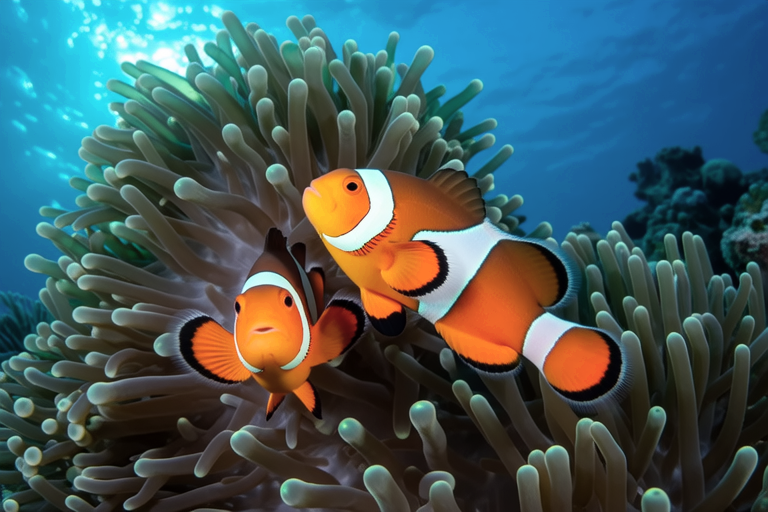
Clownfish, scientifically known as Amphiprioninae, belong to the family Pomacentridae, which includes damselfish. There are around 30 recognized species of clownfish, each displaying its own unique patterns and colors. The most popular species, the orange clownfish (Amphiprion percula), is easily recognizable by its bright orange body adorned with three white stripes. Other notable species include the Percula clownfish, the Clarkii clownfish, and the Tomato clownfish.
One of the most fascinating aspects of clownfish is their symbiotic relationship with sea anemones. They live among the tentacles of these marine animals, which provide them with protection from predators. In return, clownfish offer nutrients to the anemone through their waste products and may even lure prey towards it. This mutually beneficial relationship is a testament to the complexity and beauty of nature.
Clownfish are also known for their playful and active behavior. They swim energetically within their tanks, often darting back and forth, which makes them a delight to watch. Their curious nature means they will often investigate new objects or changes in their environment, adding an element of surprise and excitement to your aquarium.
The Benefits of Keeping Clownfish in an Aquarium
Adding clownfish to your aquarium brings a plethora of benefits. Firstly, their vibrant colors and dynamic movements add a splash of life and color to any aquatic environment. Watching their playful interactions can be both relaxing and entertaining, making them a perfect addition for anyone looking to enhance the visual appeal of their tank.
Moreover, clownfish are relatively easy to care for, making them an excellent choice for both novice and experienced aquarists. Their adaptability and resilience make them less prone to diseases and easier to maintain compared to some other saltwater fish species. This ease of care allows you to focus more on enjoying their company rather than worrying about their health.
Another benefit of keeping clownfish is their social nature. They are typically peaceful and can coexist well with other fish, provided the right conditions are met. This social behavior encourages a harmonious and balanced ecosystem within your aquarium, contributing to overall tank stability.
Setting Up an Ideal Habitat for Clownfish
To ensure your clownfish thrive in their new home, it’s crucial to set up an ideal habitat. Here are some key considerations:
- Tank Size: Clownfish require at least a 20-gallon tank to feel comfortable and have enough space to swim freely. A larger tank, such as a 55-gallon or more, is preferable for a group of clownfish or if you plan to add additional tank mates.
- Water Parameters: Maintain stable water conditions, including temperature (78-82°F), pH (8.1-8.4), and salinity (specific gravity of 1.020-1.025). Regular testing and monitoring are essential to ensure optimal conditions.
- Filtration and Aeration: Use a high-quality filter to keep the water clean and well-oxygenated. Adequate filtration helps remove waste and debris, preventing harmful toxins from accumulating.
- Hiding Places: Provide plenty of hiding spots using rocks, caves, and plants. These areas serve as safe zones where clownfish can retreat when feeling threatened or during rest periods.
- Lighting: Clownfish do not require intense lighting but benefit from a regular day-night cycle. Use a timer to simulate natural light conditions, ensuring 8-12 hours of light per day.
Suitable Tank Mates for Clownfish
Choosing the right tank mates is crucial for maintaining a peaceful and healthy aquarium. Clownfish generally get along well with other non-aggressive fish species, such as damsels, tangs, and wrasses. However, it’s important to avoid placing them with larger, predatory fish or those known for aggressive behavior. Additionally, consider the size of the tank and the number of fish to prevent overcrowding, which can lead to stress and health issues.
When introducing new fish to your tank, always do so gradually to minimize stress and allow for proper acclimation. Monitor the interactions closely to ensure compatibility and intervene if conflicts arise.
Common Challenges and Misconceptions
Despite their popularity, there are several challenges and misconceptions associated with caring for clownfish. One common misconception is that all clownfish need sea anemones to survive. While anemones can enhance the natural look of an aquarium, clownfish can thrive without them, especially in captivity. Providing ample hiding spots and a stable environment is sufficient for their well-being.
Another challenge is ensuring the water quality remains optimal. Poor water conditions can lead to various health issues, including infections and parasites. Regular maintenance, including water changes and cleaning, is essential to maintaining a healthy tank.
Lastly, some aquarists worry about the territorial nature of clownfish. While clownfish can become territorial, particularly when breeding, this behavior is usually confined to their immediate surroundings. Ensuring adequate space and providing multiple hiding spots can help mitigate territorial disputes.
The Emotional Bond Between Humans and Their Clownfish Companions
Keeping clownfish goes beyond mere aesthetics; it fosters a deep emotional connection between the fish and their human caretakers. The playful and interactive nature of clownfish creates a sense of companionship and joy. Many aquarium enthusiasts find solace in watching their clownfish navigate their tank, exploring new territories, and engaging in daily activities.
The emotional bond formed with these fish can be incredibly fulfilling. Observing their growth, behavior, and interactions provides a unique source of entertainment and satisfaction. This bond is further strengthened by the sense of responsibility and care involved in maintaining a healthy and thriving aquarium.
In conclusion, clownfish are not just beautiful additions to any aquarium; they are lively companions that bring joy and charm to your aquatic world. By understanding their unique needs and creating an ideal habitat, you can ensure these delightful fish thrive and bring countless moments of happiness to your home.
