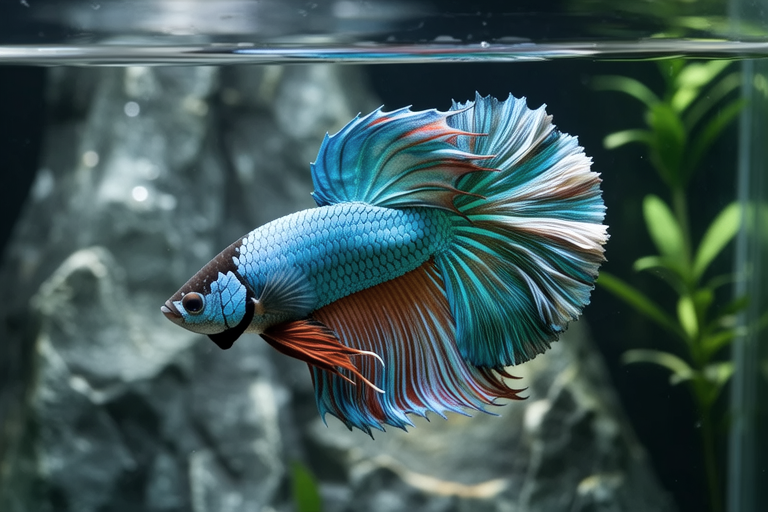
Betta Fish Care: Everything You Need to Know for a Happy Pet
Welcome to the fascinating world of Betta fish care! These vibrant, colorful fish are popular pets for their striking appearance and relatively low maintenance requirements. However, to ensure your Betta lives a long, healthy, and happy life, it’s crucial to understand the nuances of their care. This article will guide you through everything you need to know about Betta fish care, from setting up the perfect tank to maintaining optimal water conditions and addressing common health issues.
Tank Setup: Creating a Comfortable Home for Your Betta
The first step in Betta care is setting up an appropriate tank. Contrary to popular belief, Betta fish require more space than a simple bowl or vase. A minimum tank size of 5 gallons is recommended, providing ample room for swimming and exploration. While smaller tanks can be used, they demand more frequent water changes and careful monitoring of water quality.
When selecting a tank, opt for one with a lid to prevent your Betta from jumping out. Ensure there is adequate filtration to maintain water cleanliness without causing strong currents that could stress your fish. Decorations like plants, caves, and driftwood not only enhance aesthetics but also provide hiding spots and mental stimulation.
For substrate, choose a fine-grained gravel or sand that won’t irritate your Betta’s delicate fins. Avoid sharp or large stones that may cause injuries. Adding live or artificial plants is beneficial as they mimic natural environments and offer shelter. Live plants also help improve water quality by absorbing nitrates and releasing oxygen.
Water Parameters: Maintaining Optimal Conditions
Water quality is paramount for Betta health. Start with dechlorinated tap water or use bottled spring water. Regularly test the water for pH, ammonia, nitrite, and nitrate levels. The ideal pH range for Betta fish is between 6.5 and 7.8, slightly acidic to neutral. Ammonia and nitrite levels should always read zero, while nitrates should remain below 20 ppm.
To maintain stable water parameters, perform weekly partial water changes of about 25%. Use a gravel vacuum during these changes to remove debris from the substrate. Employ water conditioners to neutralize harmful chemicals and add beneficial bacteria to establish a healthy biological filter.
Adequate aeration is vital, especially if your tank lacks robust filtration. Consider adding an air stone or a small bubbler to ensure proper oxygenation. Betta fish have labyrinth organs allowing them to breathe air at the surface, but well-oxygenated water still promotes overall health.
Suitable Tankmates: Finding Compatible Companions
Bettas are often sold in small containers, leading many to believe they thrive alone. While Bettas are generally solitary, they can coexist peacefully with certain tankmates. Choose slow-moving, non-aggressive species that won’t bully or nip at your Betta’s fins. Good choices include:
- Rummy Nose Tetras: These peaceful fish are excellent companions due to their calm demeanor.
- Guppies: Small, colorful guppies are usually safe as long as there are no male Bettas present.
- Corydoras Catfish: Bottom-dwelling catfish stay out of the Betta’s way and help keep the tank clean.
- Ghost Shrimp: These shrimp are too small to pose a threat and can even eat leftover food.
However, avoid keeping Betta fish with aggressive species, fin-nippers, or other Betta males, as they are highly territorial. Females can sometimes be kept together in a larger community tank, but this requires careful planning and observation.
Diet and Feeding Habits: Nourishing Your Betta
Betta fish are carnivorous and require a protein-rich diet. High-quality Betta pellets or flakes designed for tropical fish are excellent staple foods. Supplement their diet with frozen or freeze-dried treats like bloodworms, brine shrimp, and daphnia. Variety ensures a balanced nutritional intake and keeps your Betta interested in mealtime.
Feed your Betta once or twice daily, offering only what they can consume within a few minutes. Overfeeding leads to poor water quality and potential health issues. Monitor their eating habits closely; sudden changes in appetite may indicate underlying problems.
Common Health Issues and Preventive Measures
Despite proper care, Betta fish can face health challenges. Some common issues include:
- Fungal Infections: Characterized by white patches on the body or fins, these infections result from poor water quality. Treat with antifungal medications and improve tank hygiene.
- Fin Rot: Caused by bacteria, fin rot manifests as frayed or disintegrating fins. Maintain good water quality and consider antibiotic treatments.
- Ich (Ichthyophthirius multifiliis): Visible as tiny white dots on the body, Ich is a parasitic infection. Raise the water temperature to 82-86°F and use Ich-specific medications.
- Constipation: Excessive swelling indicates overfeeding. Offer fiber-rich foods like peas to aid digestion.
Preventative measures include maintaining pristine water conditions, avoiding overcrowding, and providing a varied diet. Regularly observe your Betta for signs of distress or illness, and act promptly if any symptoms arise.
Regular Maintenance Routines: Keeping Your Betta Healthy
Maintaining a clean and healthy environment is key to your Betta’s longevity. Here are some essential maintenance tasks:
- Weekly Water Changes: Perform partial water changes to dilute toxins and replenish beneficial minerals.
- Cleaning Equipment: Scrub filters, decorations, and tank walls to eliminate algae and debris.
- Monitoring Water Quality: Test for pH, ammonia, nitrite, and nitrate levels regularly.
- Observing Behavior: Pay attention to your Betta’s activity level, appetite, and appearance.
- Trimming Fins: If necessary, gently trim damaged fins to promote healing.
By adhering to these routines, you’ll create an optimal living environment for your Betta, ensuring they lead a vibrant and healthy life.
Conclusion: A Rewarding Journey with Your Betta
Owning a Betta fish can be a delightful experience filled with color, movement, and companionship. By understanding and implementing the principles outlined in this article, you’ll provide your Betta with everything they need to thrive. Remember, each Betta has unique preferences, so be patient and observant. With time and care, you’ll develop a strong bond with your aquatic friend, making their presence in your home truly special.
