Leopard Gecko Care: Expert Tips You Need to Know Now
Leopard geckos are one of the most popular reptiles among pet enthusiasts due to their docile nature, vibrant coloration, and relatively low maintenance compared to other exotic pets. However, providing the best possible care for your leopard gecko requires a good understanding of its specific needs. This article will guide you through essential care guidelines, including habitat setup, temperature and humidity requirements, diet specifics, handling tips, common health issues, and signs of a healthy gecko.
Habitat Setup
The first step in caring for your leopard gecko is setting up a proper habitat. Leopard geckos require a secure enclosure that mimics their natural environment as closely as possible. A glass aquarium or a plastic terrarium with a secure lid is ideal. For a single adult gecko, a tank measuring at least 20 gallons (30x12x12 inches) is recommended. If housing multiple geckos, increase the size accordingly.
The substrate should be easy to clean and free from dust. Many owners prefer reptile carpet, paper towels, or reptile-safe sand. Avoid substrates like walnut shells, corn cob, or pine shavings, as they can cause impaction if ingested.
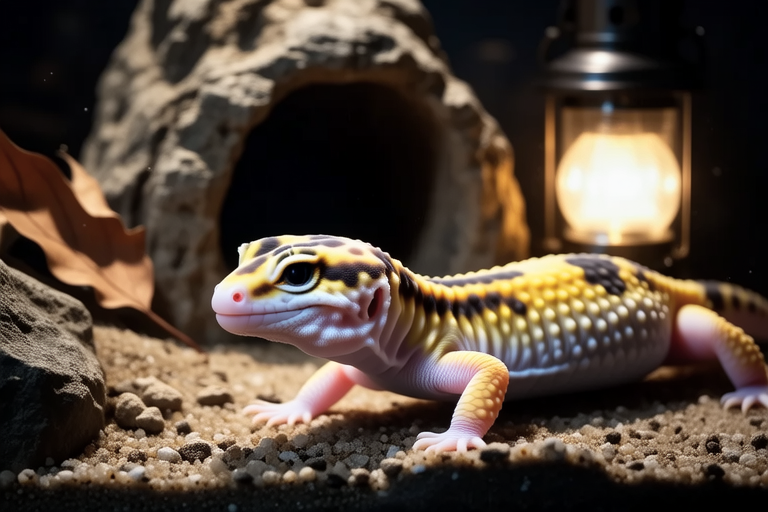
Provide ample hiding spots, such as caves or tunnels, which help reduce stress and promote natural behavior. Include a water dish for drinking and soaking, ensuring it’s shallow enough to prevent drowning. Place a climbing branch or rock for enrichment.
Temperature and Humidity Requirements
Maintaining the right temperature gradient within the enclosure is crucial for your leopard gecko’s health. Install a heat lamp on one side of the tank to create a basking spot with a temperature between 88°F and 92°F (31°C to 33°C). The cooler side should remain around 75°F to 80°F (24°C to 27°C).
A thermometer and hygrometer are essential tools to monitor these conditions accurately. Leopard geckos are desert animals and thrive in dry environments; thus, the humidity level should generally be kept below 40%. Overly humid conditions can lead to respiratory infections.
Diet Specifics
Leopard geckos are insectivores, meaning their diet consists mainly of insects. Crickets, dubia roaches, and mealworms are common choices. Feed juveniles daily, while adults can be fed every other day. Offer prey items no larger than the space between the gecko’s eyes to prevent choking.
Vary the diet by including calcium and vitamin supplements to ensure your gecko gets all necessary nutrients. Dust the insects with a high-quality calcium supplement without vitamin D3 twice weekly, and once weekly with a multivitamin containing vitamin D3. Avoid over-supplementation, which can lead to toxicity.
Handling Tips
Leopard geckos are generally calm and easy to handle, but always approach them gently. Wash your hands before and after handling to avoid transferring bacteria or oils. Support the gecko’s body fully, avoiding any sudden movements that could startle it.
Some geckos may bite if startled or mishandled, though this is rare. Never grab your gecko by its tail, as it can drop it as a defense mechanism. The tail will eventually regrow, but the process can be stressful and energetically costly for the animal.
Common Health Issues
Like any pet, leopard geckos are susceptible to various health problems. Metabolic bone disease (MBD) is a serious issue caused by calcium deficiency. Symptoms include softening of bones, lethargy, and difficulty moving. Ensuring proper nutrition and supplementation can prevent MBD.
Respiratory infections can occur if the enclosure is too humid. Signs include wheezing, labored breathing, and mucus around the nose. Immediate veterinary attention is necessary.
Impaction happens when a gecko ingests substrate or large prey items. Symptoms include lethargy, loss of appetite, and bloating. Prevention involves using appropriate substrate and feeding appropriately sized prey.
Signs of a Healthy Gecko
A healthy leopard gecko is active during the night, has clear eyes, and maintains a healthy weight. Its skin should be smooth and unblemished, with no signs of swelling or sores. Regular shedding indicates good overall health. A healthy gecko will also have a strong appetite and regular bowel movements.
Regular veterinary check-ups are recommended to catch any potential issues early. Establishing a routine with a veterinarian who specializes in reptiles is advisable.
Conclusion
Caring for a leopard gecko can be incredibly rewarding. By following these expert tips on habitat setup, temperature and humidity control, diet management, handling techniques, and recognizing signs of health, you can provide your gecko with the best possible life. Remember, each gecko is unique, so pay close attention to your pet’s individual needs and behaviors to ensure its well-being.
