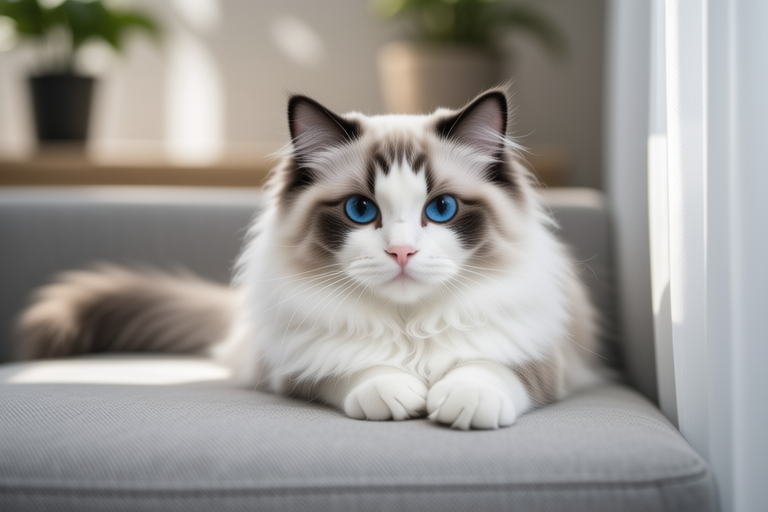
Ragdoll Cats: Nature’s Softest, Most Affectionate Furballs Explained
When it comes to choosing a pet, few options can match the charm and affection of a Ragdoll cat. Known for their silky, plush coats and their almost dog-like devotion, Ragdolls have captured the hearts of cat enthusiasts worldwide. This article delves into the unique characteristics of these feline companions, exploring their history, physical traits, temperament, and the care needed to keep them healthy and happy.
The Origin and Name of Ragdoll Cats
Ragdoll cats originated in California during the 1960s. Ann Baker, a breeder from Riverside, developed this breed by crossing her own longhaired cats with a white, Persian-looking male named Josephine. Josephine had previously been involved in a car accident, which might have contributed to the unique traits of her offspring. The kittens she bore after the incident exhibited an unusual trait: when picked up, they went limp, similar to a rag doll. This led to the name “Ragdoll,” which perfectly encapsulates their relaxed, docile nature.
Initially, Baker kept the breed exclusive, but after a falling out with her cattery association, the breed was introduced to the public. Today, Ragdolls are one of the most popular cat breeds, cherished for their affectionate personalities and striking appearance.
Physical Traits of Ragdoll Cats
Ragdoll cats are medium to large-sized felines, typically weighing between 8 to 20 pounds. They have a robust yet graceful build, making them appear elegant despite their substantial size. Their bodies are muscular and well-proportioned, with a broad chest and a sturdy neck. Ragdolls have a long, silky coat that requires regular grooming to maintain its luxurious texture. Their fur is soft and dense, often described as having a rabbit-like feel.
One of the most striking features of Ragdoll cats is their eye color. They come in a variety of shades, ranging from deep blue to icy green, with some individuals displaying a mix of colors. These captivating eyes are framed by a distinctive mask pattern, giving them an enigmatic and expressive look.
Ragdolls also come in a range of colors and patterns. The most common color is seal point, characterized by dark points on a lighter body. Other popular colors include chocolate, blue, and lilac. Patterns include solid, bicolor, and lynx. The diversity in their appearance makes each Ragdoll unique, adding to their appeal.
Temperament: The Dog-Like Cat
Perhaps the most endearing quality of Ragdoll cats is their temperament. They are renowned for their loyalty and affection, often following their owners around the house like devoted puppies. This behavior has earned them the nickname “dog-like” among cat lovers. Ragdolls are exceptionally social and thrive on human interaction, making them ideal companions for families or individuals seeking a close bond with their pets.
These cats are known for their calm and gentle demeanor, rarely showing aggression or territorial behavior. They are patient and tolerant, especially with children and other pets, making them a perfect fit for households with multiple family members. Ragdolls enjoy being carried and will often relax in their owner’s arms, contentedly purring. Their laid-back nature means they are less likely to engage in destructive behaviors, making them easier to manage indoors.
Care Tips for Ragdoll Cats
To ensure your Ragdoll remains healthy and happy, proper care is essential. Regular grooming is necessary to maintain their luxurious coat, preventing matting and hairballs. Brushing them at least twice a week will help remove loose hair and distribute natural oils throughout their fur. During shedding seasons, more frequent brushing may be required.
Dietary requirements for Ragdolls should focus on high-quality cat food that provides balanced nutrition. Look for foods rich in proteins and essential vitamins and minerals. Consult your veterinarian to determine the appropriate amount of food based on your cat’s age, weight, and activity level. Fresh water should always be available, encouraging your cat to stay hydrated.
Common health issues in Ragdolls include hip dysplasia, heart disease, and certain genetic disorders. Regular veterinary check-ups are crucial to monitor their health and catch any potential problems early. Vaccinations, dental care, and parasite prevention are also important aspects of maintaining their wellbeing.
Why Ragdolls Make Excellent Pets
Ragdoll cats are not only beautiful but also highly adaptable to different living situations. Whether you live in a small apartment or a spacious home, Ragdolls can adjust to their environment with ease. Their gentle nature makes them suitable for households with children, elderly individuals, or those with limited mobility. They are content in both indoor and outdoor settings, though it is recommended to keep them indoors to protect them from external dangers.
Their intelligence and curiosity make them interactive playmates, and they enjoy puzzle toys and games that stimulate their minds. Ragdolls are also relatively quiet, with a calm demeanor that adds tranquility to any home. Their affectionate and loyal nature ensures they will provide unwavering companionship, making them an excellent choice for anyone looking for a loving and devoted pet.
In conclusion, Ragdoll cats are a remarkable breed, combining stunning looks with an affectionate and loyal personality. Their history, physical traits, and temperament make them stand out among other cat breeds. With proper care and attention, Ragdolls can bring years of joy and companionship to their owners. If you’re considering adopting a new furry friend, a Ragdoll could be the perfect addition to your family, offering a unique blend of beauty, intelligence, and love.
