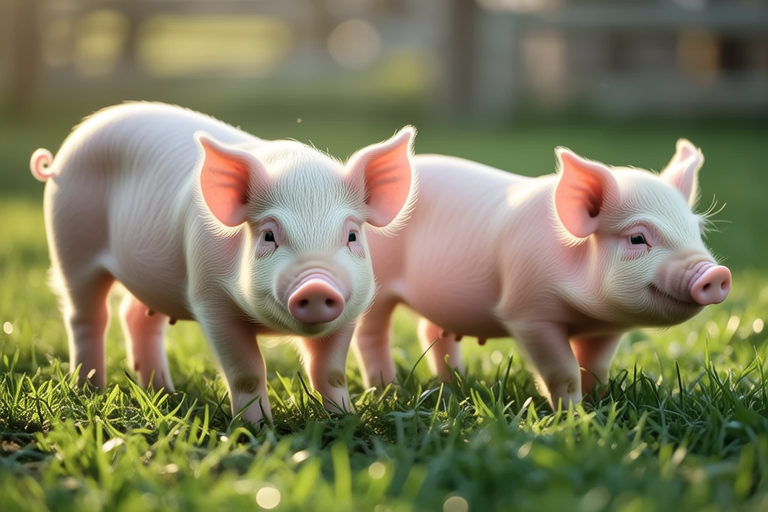
Mini Pigs Unleashed: Debunking Myths and Discovering Facts
Welcome to the world of mini pigs! These intelligent, social, and affectionate creatures have been capturing hearts and homes across the globe. Mini pigs, also known as teacup, micro, or pot-bellied pigs, are increasingly popular as pets due to their small size and manageable upkeep. However, like any pet, there are misconceptions surrounding them that need to be addressed.
The Growing Popularity of Mini Pigs
Mini pigs have become a trendy choice among pet enthusiasts for several reasons. Their compact size makes them ideal for urban living, and they offer companionship similar to dogs without requiring the same level of outdoor exercise. Moreover, mini pigs are highly intelligent and can be trained to perform various tasks, making them fascinating pets.
Debunking Common Myths
Myth 1: Mini Pigs Stay Small
One of the most pervasive myths about mini pigs is that they remain tiny throughout their lives. While some breeds may stay smaller, many grow larger than expected. On average, mini pigs weigh between 50 to 70 pounds, though some can reach up to 150 pounds. It’s crucial for prospective owners to understand the potential size of these animals before bringing one home.
Myth 2: Mini Pigs Live Short Lives
Another misconception is that mini pigs have a short lifespan. In reality, with proper care, mini pigs can live up to 15 years or more. Factors such as diet, exercise, and medical attention play significant roles in determining their longevity.
Myth 3: Mini Pigs Require Minimal Food
Contrary to popular belief, mini pigs need a balanced diet to thrive. Their dietary requirements include a mix of vegetables, fruits, grains, and proteins. Overfeeding or feeding inappropriate foods can lead to obesity and related health issues.
Proper Care for Mini Pigs
Caring for a mini pig involves more than just feeding and watering. Regular grooming, nail trimming, and ear cleaning are essential for maintaining their hygiene. Additionally, providing mental stimulation through toys and activities helps prevent boredom and destructive behavior.
Housing Your Mini Pig
Creating a comfortable living space for your mini pig is vital. They require a shelter that protects them from extreme weather conditions and offers enough space to move around freely. Indoor accommodations should include a soft bed and toys, while outdoor areas benefit from shade, fresh water, and a secure fence to prevent escape.
Health Considerations
Regular veterinary check-ups are necessary to ensure your mini pig remains healthy. Vaccinations, parasite control, and dental care are part of routine maintenance. Signs of illness, such as lethargy, loss of appetite, or changes in bathroom habits, should prompt immediate consultation with a veterinarian.
Training Tips
Mini pigs are highly trainable and can learn commands and tricks. Positive reinforcement techniques, using treats and praise, work best. Consistency is key when teaching new behaviors, and patience is required during the process.
The Unique Bond Between Humans and Mini Pigs
The relationship between humans and mini pigs is unique and rewarding. These animals form strong bonds with their owners and can provide emotional support. Understanding and respecting each other’s boundaries fosters a loving connection.
Responsible ownership means being prepared for the long-term commitment involved in caring for a mini pig. This includes financial planning for healthcare, food, and supplies, as well as ensuring the animal has a loving home for its entire life.
Conclusion
Mini pigs are delightful companions that bring joy and companionship into our lives. By dispelling common myths and understanding the true nature of these animals, we can ensure they receive the care and attention they deserve. Embracing the challenges and rewards of owning a mini pig leads to a fulfilling experience for both the human and the pig.
