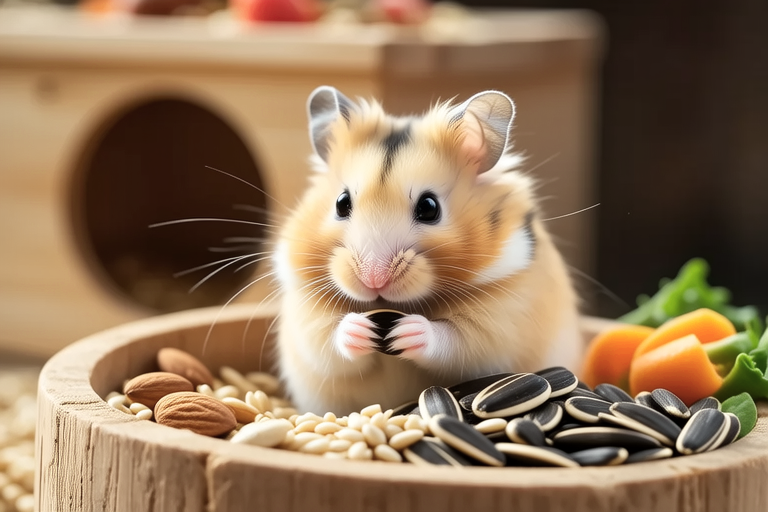
The Ultimate Guide to Hamster Diets: What They Love Eating!
Hamsters are small, adorable creatures that require careful attention to their dietary needs. Proper nutrition ensures they stay healthy, active, and happy. This guide will cover everything you need to know about feeding your hamster, from basic nutritional requirements to homemade diet ideas and potential health issues.
Basic Nutritional Requirements
Hamsters have specific dietary needs that must be met to maintain good health. Their diet should consist of high-quality pellets, fresh vegetables, fruits, grains, and occasional proteins. High-quality commercial hamster pellets provide essential vitamins, minerals, and nutrients. These pellets should make up the bulk of their diet, supplemented with fresh produce and other appropriate foods.
Types of Food Suitable for Hamsters
Vegetables
Fresh vegetables are an important part of a hamster’s diet. Dark leafy greens like kale, spinach, and romaine lettuce are excellent choices. Other safe vegetables include carrots, broccoli, and bell peppers. Always wash vegetables thoroughly before feeding them to your hamster to remove any pesticides or chemicals.
Fruits
Fruits can be offered sparingly as a treat. Apples, blueberries, strawberries, and bananas are all safe options. However, fruits are high in sugar, so it’s best to limit fruit intake to once or twice a week.
Grains
Grains provide essential carbohydrates and fiber. Safe grains for hamsters include oats, barley, and wheat. You can offer these grains in small quantities as part of their daily diet or mix them into their pellets.
Proteins
Protein is necessary for growth and repair. Small amounts of cooked chicken, boiled eggs, or cottage cheese can be given occasionally. Avoid giving raw meat or fish, as these can pose health risks.
Treats They Can Safely Enjoy
In addition to their regular diet, hamsters love treats. Some safe options include sunflower seeds, pumpkin seeds, and unsweetened yogurt drops. Treats should be given in moderation to prevent obesity and dental problems.
Common Human Foods to Avoid
Many human foods are toxic or harmful to hamsters. Avocados, chocolate, caffeine, alcohol, and sugary snacks are strictly off-limits. Additionally, avoid feeding your hamster raw beans, potatoes, or rhubarb, as these can cause digestive issues.
Homemade Diet Ideas
Creating a homemade diet for your hamster can be fun and rewarding. Start with a base of high-quality pellets and add a mix of fresh vegetables, fruits, and grains. You can also create DIY treats by mixing oats, seeds, and dried fruits. Just remember to keep portions small and balanced.
Potential Health Issues Related to Poor Diet Choices
Poor diet choices can lead to various health issues in hamsters. Obesity, dental problems, and digestive disorders are common concerns. Overfeeding sugary or fatty foods can lead to obesity, while a lack of proper nutrients can result in malnutrition and weakened immune systems. Regular veterinary check-ups can help identify and address any health issues early.
Maintaining a Balanced Diet
To maintain a balanced diet, feed your hamster a variety of foods. Rotate different vegetables, fruits, and grains throughout the week to ensure they receive a wide range of nutrients. Avoid overfeeding treats and focus on providing high-quality pellets as the mainstay of their diet.
Portion Control
Portion control is crucial for preventing obesity and ensuring your hamster stays healthy. A general rule of thumb is to provide one tablespoon of pellets per day for adult hamsters. Fresh vegetables and fruits should be limited to small portions, and treats should be given sparingly. Always monitor your hamster’s weight and adjust portions accordingly.
Observing Your Hamster’s Eating Habits
Regularly observe your hamster’s eating habits to ensure their dietary needs are being met. Look for signs of overeating, such as weight gain or lethargy, and under-eating, which may indicate illness or stress. If you notice any changes in your hamster’s appetite or digestion, consult a veterinarian for advice.
Conclusion
Feeding your hamster a balanced and nutritious diet is essential for their overall health and well-being. By understanding their basic nutritional requirements and offering a variety of safe and appropriate foods, you can ensure your pet remains happy and healthy. Remember to maintain portion control, avoid harmful human foods, and regularly observe your hamster’s eating habits. With proper care and attention, your hamster will thrive for years to come.
