Unraveling the Mystery of the Hairy Night Stalker: All About Heterometrus Spinifer
In the realm of exotic arachnids, few creatures capture the imagination quite like the Hairy Night Stalker, scientifically known as Heterometrus spinifer. This fascinating scorpion, native to Southeast Asia, has intrigued researchers and nature enthusiasts alike with its unique appearance, nocturnal habits, and crucial role in the ecosystem. From its distinctive spines to its preference for the cover of night, this article delves into the mysteries surrounding Heterometrus spinifer, offering a comprehensive guide for those captivated by these enigmatic creatures.
The Hairy Night Stalker: An Introduction
The Hairy Night Stalker, or Heterometrus spinifer, is a species of scorpion belonging to the family Scorpionidae. Its common name derives from its dense covering of hair-like structures, which give it a unique texture and appearance. These hairs, also known as setae, play a significant role in the scorpion’s sensory capabilities, helping it detect vibrations in the environment and navigate through its habitat with precision.
Noted for its nocturnal lifestyle, the Hairy Night Stalker is primarily active during the night, emerging from its hiding spots under rocks, logs, or burrows to hunt for prey. This behavior makes it a master of stealth, perfectly adapted to its environment. The scorpion’s dark coloration further aids in its camouflage, allowing it to blend seamlessly into the shadows and avoid detection by both predators and prey.
Geographical Distribution and Preferred Habitats
Heterometrus spinifer is predominantly found in the tropical regions of Southeast Asia, including countries such as Thailand, Malaysia, and Indonesia. It thrives in diverse environments ranging from humid rainforests to dry, rocky areas. The scorpion’s adaptability allows it to inhabit various ecological niches, making it a versatile species within its range.
Preferred habitats include areas with ample cover, such as dense vegetation, caves, and rocky outcrops. These locations provide shelter from harsh weather conditions and protect the scorpion from potential threats. The Hairy Night Stalker often constructs burrows in sandy or loose soil, creating complex networks that serve as both homes and hunting grounds.
Physical Characteristics
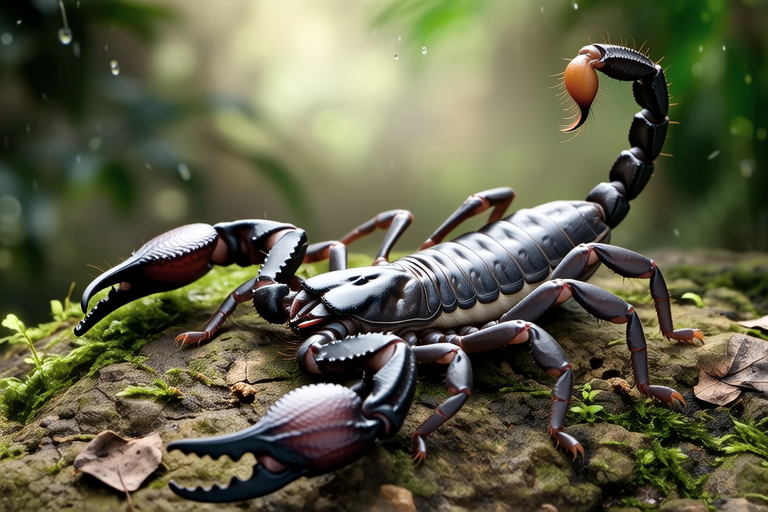
The Hairy Night Stalker exhibits a robust body structure, characterized by a broad, flattened carapace and a segmented abdomen. Adult specimens typically measure between 6 to 10 centimeters in length, making them relatively large compared to other scorpion species. Their bodies are adorned with numerous spines, most notably along the tail and legs, which serve both defensive and sensory purposes.
The coloration of Heterometrus spinifer varies depending on its habitat, but generally ranges from dark brown to black. This pigmentation provides effective camouflage against predators and helps the scorpion remain inconspicuous while hunting. The presence of setae on the exoskeleton adds to its distinct appearance, giving it a velvety texture that enhances its sensory capabilities.
Behavior and Diet
The Hairy Night Stalker is a solitary predator, relying on stealth and ambush tactics to capture prey. During the night, it prowls through its habitat, using its pincers to grasp insects and other small invertebrates. Its diet consists mainly of spiders, crickets, beetles, and other arthropods. The scorpion’s venomous sting serves as a secondary method of subduing prey, injecting toxins that immobilize and paralyze victims.
Interestingly, the Hairy Night Stalker employs a unique hunting strategy known as “sit-and-wait.” By remaining motionless in a concealed position, the scorpion waits for unsuspecting prey to come within striking distance. Once detected, it uses lightning-fast reflexes to grab and incapacitate its target. This method minimizes energy expenditure while maximizing hunting efficiency.
Interactions with Other Species
The Hairy Night Stalker interacts with a variety of species within its ecosystem, playing a vital role in maintaining ecological balance. As a predator, it controls populations of insects and other small invertebrates, preventing overpopulation and ensuring a healthy distribution of resources. Additionally, the scorpion serves as prey for larger animals, contributing to the food chain and supporting biodiversity.
One notable interaction involves the symbiotic relationship between Heterometrus spinifer and certain species of ants. In some cases, scorpions have been observed living in close proximity to ant colonies, sharing the same burrows without causing harm. This coexistence benefits both parties, as the ants provide protection from predators, while the scorpions offer a deterrent against intruders.
Ecosystem Role and Conservation
The Hairy Night Stalker plays a crucial role in its ecosystem, acting as both a predator and prey. By controlling insect populations, it helps maintain the balance of local ecosystems, ensuring the health and stability of its environment. However, despite its importance, the species faces several threats that jeopardize its survival.
Deforestation, habitat destruction, and human encroachment pose significant risks to the Hairy Night Stalker’s natural habitats. The loss of suitable environments reduces the availability of shelter and prey, forcing scorpions to compete for limited resources. Additionally, the illegal pet trade has led to the capture and removal of many individuals from their natural habitats, further diminishing wild populations.
Safety Tips and Conservation Efforts
Encounters with the Hairy Night Stalker can be both thrilling and potentially dangerous if proper precautions are not taken. While the scorpion’s venom is not considered life-threatening to humans, a sting can cause localized pain, swelling, and discomfort. To minimize the risk of injury, it is advisable to wear protective clothing when exploring areas where Heterometrus spinifer is known to reside. Avoid disturbing burrows or handling the scorpion directly, as provocation may trigger a defensive response.
Conservation efforts are essential to safeguard the future of the Hairy Night Stalker and its ecosystem. Initiatives aimed at preserving natural habitats and promoting sustainable land use practices can help mitigate the effects of deforestation and habitat destruction. Public awareness campaigns and education programs can also play a pivotal role in reducing the demand for exotic pets and fostering respect for wildlife.
By understanding and appreciating the unique characteristics and behaviors of the Hairy Night Stalker, we can work towards ensuring its continued existence for generations to come. The importance of conservation cannot be overstated, as the preservation of this species contributes to the overall health and diversity of our planet’s ecosystems.
