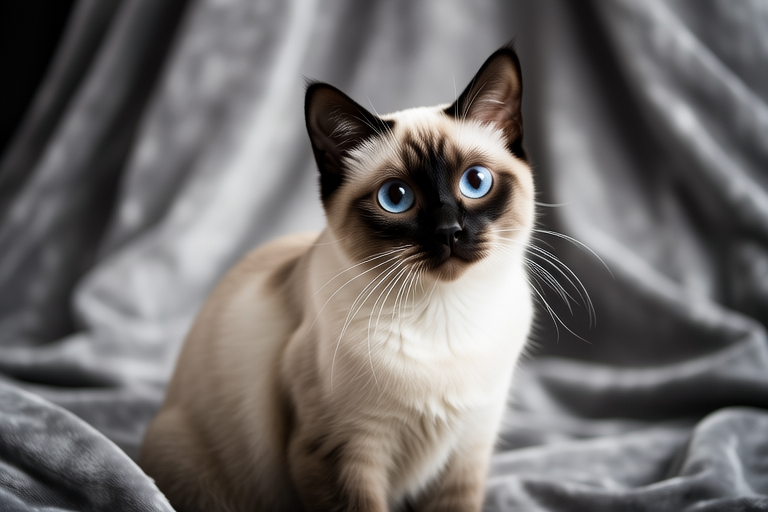
The Enigmatic Siamese Cat: A Comprehensive Guide
The Siamese cat is one of the most recognizable and beloved breeds in the world, known for its striking blue almond-shaped eyes, sleek coat, and distinctively colored points. This breed has a rich history, dating back centuries, and is renowned for its intelligence, vocal nature, and strong bond with humans. In this article, we will explore the unique characteristics, history, and behavioral traits of the Siamese cat, dispel common misconceptions, and offer advice for potential owners on how to best care for and engage with this enigmatic breed.
Distinctive Appearance
The Siamese cat is easily identifiable by its sleek, short-haired coat that comes in four recognized color points: seal point (dark brown), chocolate point (light brown), blue point (grayish-blue), and lilac point (pale gray). These points, which include the ears, face, paws, and tail, contrast sharply against the lighter body, giving the cat a striking appearance. The breed’s blue almond-shaped eyes add to its exotic look, while its slender, muscular body and long, tapering tail complete its elegant silhouette. Siamese cats have a wedge-shaped head and large, expressive ears, contributing to their distinctive appearance.
History and Origin
The origins of the Siamese cat can be traced back to Thailand, formerly known as Siam, where it was considered a sacred animal and kept in royal palaces. The breed was first introduced to the Western world in the late 19th century when a pair of Siamese cats were gifted to the British Consul-General in Bangkok. These cats quickly gained popularity among British aristocracy and eventually spread to other parts of Europe and North America. Over time, selective breeding has led to the development of two main types of Siamese cats: the traditional or apple-headed Siamese, which retains more of the breed’s original features, and the modern or show-type Siamese, which has a more slender, elongated body.
Vocal Nature
One of the most notable traits of the Siamese cat is its vocal nature. Siamese cats are known for being very talkative, often engaging in “conversations” with their owners through a series of chirps, meows, and trills. They are highly communicative animals, and their vocalizations can vary in tone and pitch depending on their mood or what they want to convey. Some owners report that their Siamese cats can even mimic human speech, adding to the breed’s reputation for being intelligent and expressive. While some may find the constant chattering amusing, others might find it disruptive. It is important for potential owners to understand and appreciate this aspect of the breed’s personality before bringing one home.
Intelligence and Behavioral Traits
Siamese cats are highly intelligent and curious creatures, always eager to explore and investigate their surroundings. They are known for their problem-solving abilities and have been observed using their paws to open doors or cabinets to access food or toys. Their intelligence also manifests in their ability to learn tricks and commands, making them excellent candidates for clicker training. Siamese cats are social animals that thrive on interaction with their owners and other pets. They are often described as “dog-like” in their behavior, following their owners around the house and seeking out attention and affection. Studies have shown that Siamese cats form strong bonds with their human companions and can experience separation anxiety if left alone for extended periods.
Common Misconceptions
Despite their popularity, there are several common misconceptions about Siamese cats that need to be addressed. One of the most prevalent myths is that all Siamese cats are prone to health problems, particularly those related to their genetics. While it is true that certain genetic factors can predispose Siamese cats to specific health issues, such as dental problems, respiratory issues, and heart disease, these problems are not universal to the breed. With proper care, including regular veterinary check-ups and a balanced diet, many Siamese cats can live healthy and happy lives well into their teens.
Another misconception is that Siamese cats are aloof and independent, preferring to be left alone. This could not be further from the truth. Siamese cats are highly social animals that thrive on interaction and companionship. They are known for their playful and affectionate nature, often seeking out physical contact with their owners. While they may not be as clingy as some other breeds, Siamese cats still require regular attention and stimulation to maintain their mental and emotional well-being.
Ideal Living Conditions
Siamese cats are adaptable animals that can thrive in a variety of environments, but they do have certain preferences when it comes to their living conditions. They prefer warm, comfortable spaces and may seek out sunny spots or cozy corners to nap in. Due to their vocal nature, Siamese cats may not be the best choice for households where silence is valued. However, for families who enjoy a lively and interactive pet, Siamese cats can be an excellent companion.
Siamese cats are also highly active and playful, requiring plenty of space to move around and play. Providing them with toys, scratching posts, and climbing structures can help keep them entertained and prevent boredom. Siamese cats are known for their curiosity and investigative nature, so it is important to cat-proof your home and ensure that all potentially dangerous items are out of reach. Additionally, Siamese cats are sensitive to changes in their environment, so introducing new pets or rearranging furniture should be done gradually to minimize stress.
Compatibility with Different Households
Siamese cats are generally compatible with various household settings, but there are certain factors to consider when determining whether a Siamese cat is the right fit for your family. Siamese cats are highly social animals that thrive on interaction with their owners, making them an excellent choice for families with older children or adults who are home frequently. However, they may not be the best choice for households with young children or individuals who work long hours away from home. Siamese cats require regular attention and stimulation to maintain their mental and emotional well-being, and neglect or isolation can lead to behavioral problems.
Siamese cats are also known for their playful and affectionate nature, making them good companions for other pets, particularly other cats or dogs that share their energy level. However, it is important to introduce new pets gradually and monitor their interactions to ensure a harmonious relationship. Siamese cats are known for their strong personalities and may not always get along with more timid or reserved pets.
Anecdotes and Studies
There are numerous anecdotes and studies that highlight the social and interactive nature of Siamese cats. One famous example is the story of a Siamese cat named Garfield, who was known for his mischievous behavior and love of lasagna. While this fictional character may not be representative of all Siamese cats, it does illustrate the breed’s playful and adventurous spirit. Another example is the case of a Siamese cat named Cleo, who was able to open her owner’s front door by pushing the handle down with her paw. This anecdote demonstrates the breed’s problem-solving abilities and intelligence.
Studies have also shown that Siamese cats form strong bonds with their human companions and can experience separation anxiety if left alone for extended periods. One study conducted by researchers at the University of California, Davis, found that Siamese cats were more likely to vocalize and seek out their owners when separated from them compared to other breeds. This research highlights the importance of providing Siamese cats with regular attention and stimulation to maintain their mental and emotional well-being.
Genetic Peculiarities
The Siamese cat’s iconic appearance is due in part to a genetic mutation that affects the production of melanin, the pigment responsible for hair color. This mutation results in a temperature-sensitive distribution of melanin, causing the points (ears, face, paws, and tail) to darken while the rest of the body remains lighter. This phenomenon is known as partial albinism and is unique to the Siamese breed. While this genetic trait contributes to the breed’s distinctive appearance, it can also make Siamese cats more susceptible to certain health issues, particularly those related to their eyes and skin.
Advice for Potential Owners
If you are considering adopting a Siamese cat, there are several things to keep in mind to ensure that both you and your new pet are happy and healthy. First and foremost, it is important to provide your Siamese cat with plenty of attention and stimulation to meet their social and intellectual needs. This can include regular playtime, interactive toys, and opportunities for exploration. Siamese cats are highly active and playful, so providing them with a stimulating environment can help prevent boredom and destructive behavior.
Secondly, it is important to be prepared for the Siamese cat’s vocal nature. While some owners find the constant chatter endearing, others may find it disruptive. If you are sensitive to noise, it is important to understand and appreciate this aspect of the breed’s personality before bringing one home. Providing your Siamese cat with plenty of attention and stimulation can help reduce excessive vocalization, but it is important to remember that some degree of talking is natural for this breed.
Finally, it is important to be aware of the Siamese cat’s sensitivity to changes in their environment and provide them with a stable and predictable routine. Siamese cats are highly adaptable animals, but sudden changes, such as moving to a new home or introducing a new pet, can cause stress and anxiety. By providing a consistent and loving environment, you can help your Siamese cat feel safe and secure.
