Siamese Cats in Pop Culture: From Movies to Social Media Stars
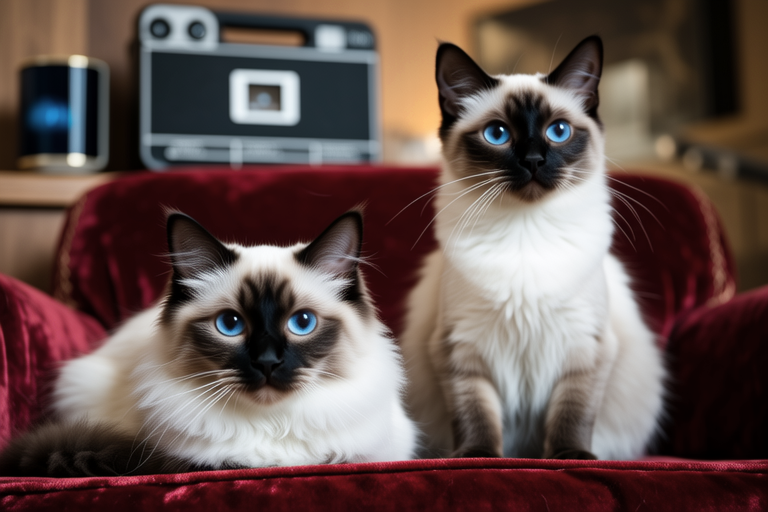
The Siamese cat, with its striking blue almond-shaped eyes, sleek coat, and expressive demeanor, has captured the hearts of millions around the world. This breed’s distinctive appearance and personality have made it a favorite subject in various forms of media, from classic films to modern-day social media platforms. The Siamese cat’s presence in pop culture has evolved over time, reflecting changing attitudes towards animals and their roles in society. This article explores the representation and roles of Siamese cats across different forms of media, discussing iconic appearances, cultural significance, and the impact on public perception.
Siamese Cats in Early Cinema and Television
One of the earliest and most iconic appearances of a Siamese cat in cinema was in the 1934 film The Cat and the Fiddle, starring Ann Harding and Gene Raymond. In this movie, a Siamese cat named Toto plays a crucial role in bridging the emotional gap between the two main characters. The film showcased the breed’s intelligence and ability to form strong bonds with humans, setting the stage for future depictions of Siamese cats as emotionally intelligent companions.
In television, the Siamese cat gained further prominence through shows like The Beverly Hillbillies (1962–1971), where the character of Jethro Bodine owned a Siamese cat named Spook. While Spook’s role was relatively minor, his presence added a touch of sophistication to the otherwise rustic setting of the show. Another notable example is the animated series The Simpsons (1989–present), where the family’s pet cat Snowball II is a Siamese. Although not a central character, Snowball II’s appearances have become a beloved part of the show’s lore.
Siamese Cats in Advertising and Print Media
Siamese cats have also made significant appearances in advertising and print media. Their sleek appearance and regal bearing make them ideal models for luxury goods and high-end products. One of the most memorable campaigns featuring a Siamese cat was for the perfume Obsession by Calvin Klein. The ad campaign, which ran in the late 1980s and early 1990s, featured a Siamese cat alongside the bottle of perfume, symbolizing elegance and allure.
Print media has also highlighted the Siamese cat’s unique characteristics. National Geographic and other publications have featured articles on the breed, exploring its history, care, and unique traits. These articles often emphasize the Siamese’s vocal nature and its tendency to form close bonds with human owners, further cementing the breed’s reputation as an intelligent and affectionate companion.
Siamese Cats in Literature and Comics
The Siamese cat’s presence extends beyond visual media into literature and comics. In Agatha Christie’s novel Black Coffee (1929), a Siamese cat named Mr. Pym plays a pivotal role in solving a murder mystery. The cat’s keen observational skills and ability to communicate with the detective highlight the breed’s intelligence and intuition.
In the realm of comics, the Siamese cat has appeared in various strips and panels. Garfield, the iconic orange tabby cat, occasionally interacts with a Siamese cat named Nermal in the comic strip. These interactions often showcase the contrast between Garfield’s lazy, laid-back nature and Nermal’s more active, curious demeanor. While Nermal is not a central character, his appearances add a layer of complexity to the strip’s dynamic.
Siamese Cats in Modern Media: Social Media Stars
The rise of social media has provided Siamese cats with new avenues for fame and recognition. Platforms like Instagram and TikTok have become breeding grounds for cat influencers, and several Siamese cats have risen to stardom. One such star is Grumpy Cat, whose viral image and subsequent merchandise have made her one of the most recognizable faces in internet culture. While Grumpy Cat is not a Siamese, her influence has paved the way for other breeds, including Siamese cats, to gain similar levels of fame.
Siamese cats like Lil Bub and Tardar Sauce (better known as Lil Bub) have also found success on social media. Lil Bub’s unique appearance, which includes a partially fused palate and shortened limbs, has endeared her to millions of followers. Her story highlights the acceptance and celebration of differences, both in animals and humans. Tardar Sauce, another Siamese cat, gained widespread recognition for her distinctive facial expressions and playful antics, further cementing the breed’s status as social media stars.
The Evolution of Siamese Cat Depictions Over Time
The portrayal of Siamese cats in media has evolved significantly over time. Early depictions often emphasized their exoticness and mysterious aura, reflecting the breed’s origins in Siam (now Thailand). As the breed became more widely available and familiar to the general public, its portrayal shifted towards highlighting its intelligence, loyalty, and strong bond with humans.
Modern depictions tend to focus on the individual personalities of Siamese cats, showcasing their quirks and unique traits. This shift reflects a broader trend in media towards celebrating diversity and individuality, both in humans and animals. The rise of social media has also played a significant role in this evolution, allowing Siamese cats to be portrayed in more authentic and relatable ways.
Reasons Behind the Popularity of Siamese Cats in Media
The popularity of Siamese cats in media can be attributed to several factors. First, their distinctive appearance sets them apart from other breeds, making them visually striking and memorable. Second, their intelligence and ability to form strong bonds with humans make them ideal companions, appealing to audiences who value emotional connections. Finally, their vocal nature and playful demeanor provide endless material for comedic and heartwarming moments, ensuring their continued presence in media.
Conclusion
From classic films to modern-day social media platforms, Siamese cats have left an indelible mark on pop culture. Their distinctive appearance, intelligence, and strong bonds with humans have made them beloved subjects in various forms of media. Iconic appearances, cultural significance, and evolving depictions have all contributed to shaping public perception and influencing the way we view these fascinating creatures. As Siamese cats continue to capture our hearts and imaginations, their place in pop culture remains secure, ensuring that they will remain a fixture in media for years to come.
