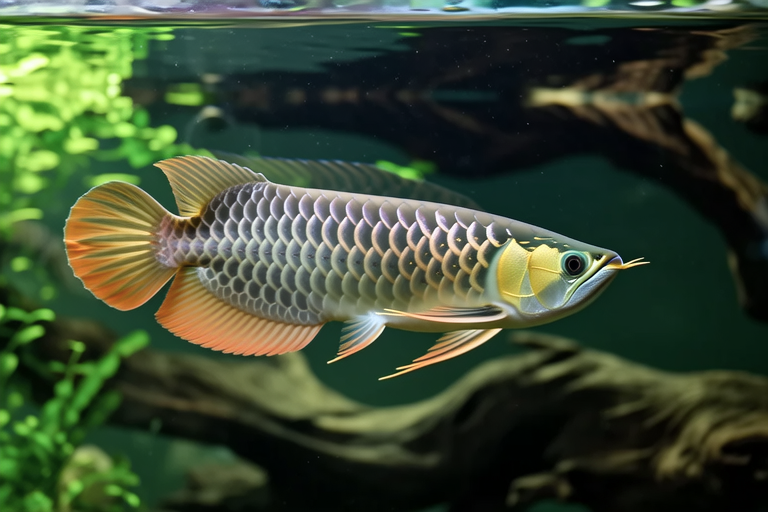
Arowanas: Majestic Fish from the Depths of the Amazon
The Amazon River, with its dense rainforest canopy and mysterious depths, is home to some of the most fascinating creatures on Earth. Among these, the arowana stands out as a true marvel of nature. Known for their sleek bodies, long dorsal fins, and impressive jumping abilities, arowanas are highly sought after by aquarium enthusiasts around the world. This article will explore the natural habitat of arowanas, their unique characteristics, behaviors, and the challenges they face when adapting to life in home aquariums. We’ll also delve into their care requirements, dietary needs, and the responsibilities that come with keeping these majestic fish as pets. Additionally, we’ll discuss conservation efforts and the importance of sustainable practices in the pet trade.
Natural Habitat
Native to the tropical waters of South America, Southeast Asia, and parts of Africa, arowanas are found in rivers, floodplains, and swamps. In the Amazon, they inhabit deep, slow-moving waters where the forest canopy provides ample shade and protection. These environments are characterized by soft, sandy bottoms and abundant vegetation, offering both shelter and food sources. Arowanas are adapted to thrive in these conditions, with their streamlined bodies and powerful tails allowing them to navigate through dense underwater vegetation with ease. They are also known for their ability to leap out of the water to catch insects and small animals, a behavior that has earned them the nickname “water monkeys.”
Unique Characteristics and Behaviors
Arowanas possess several unique features that set them apart from other fish species. Their long, slender bodies can grow up to three feet in length, and they have large, silvery scales that shimmer in the sunlight. One of their most distinctive traits is their ability to breathe air through their swim bladders, which act as primitive lungs. This adaptation allows them to survive in oxygen-depleted waters and makes them particularly resilient in challenging environments. Another remarkable feature is their ability to jump out of the water to catch prey, a behavior that is both fascinating and entertaining for observers. Arowanas are also known for their intelligence and curiosity, often interacting with their surroundings and displaying a range of interesting behaviors.
Challenges in Adapting to Home Aquariums
While arowanas are undeniably beautiful and intriguing creatures, they present significant challenges for those considering them as pets. Their size and strength make them unsuitable for small or poorly maintained aquariums, and they require spacious tanks equipped with robust filtration systems to maintain optimal water quality. Arowanas are also highly territorial and may become aggressive towards other fish, especially during feeding times. Therefore, it’s crucial to provide them with ample space and compatible tank mates to ensure their well-being and minimize stress. Additionally, arowanas are sensitive to changes in water parameters, so regular monitoring and maintenance are essential to prevent health issues.
Care Requirements
Proper care is paramount for maintaining the health and longevity of arowanas in captivity. First and foremost, arowanas need a spacious tank that allows them to swim freely and exhibit natural behaviors. A minimum tank size of 125 gallons is recommended for juvenile arowanas, while adult specimens require even larger enclosures. The water temperature should be maintained between 78-84°F (25-29°C), and the pH level should be kept within the range of 6.0-7.5. Regular water changes and diligent filtration are necessary to remove waste and toxins, ensuring a clean and healthy environment. Feeding arowanas a balanced diet rich in protein is also crucial for their growth and development.
Diet
Arowanas are carnivorous predators with a varied diet consisting of insects, crustaceans, and small fish. In the wild, they use their sharp teeth and powerful jaws to capture and consume prey. When kept in captivity, arowanas should be fed a diet that mimics their natural food sources. High-quality pellets, live or frozen foods such as bloodworms, brine shrimp, and krill, and occasional feedings of small fish or feeder goldfish can provide the necessary nutrients. It’s important to avoid overfeeding, as this can lead to obesity and health problems. Feeding should be done two to three times a week, with each meal lasting no more than five minutes.
Responsibilities of Keeping Arowanas as Pets
Keeping arowanas as pets comes with significant responsibilities that must be taken seriously. First and foremost, potential owners should thoroughly research the species’ care requirements before making a commitment. This includes understanding the space, equipment, and financial resources needed to provide a suitable environment. It’s also important to consider the long-term commitment involved, as arowanas can live for 20 years or more. Responsible ownership also involves sourcing arowanas from reputable breeders who adhere to ethical and sustainable practices. By doing so, you help support conservation efforts and reduce the demand for wild-caught specimens.
Conservation Efforts and Sustainable Practices
The popularity of arowanas in the pet trade has led to concerns about their conservation status. Many species are threatened by habitat destruction, pollution, and overfishing, making it crucial to adopt sustainable practices in the aquarium industry. Conservation organizations and government agencies are working together to protect arowana populations and their habitats through initiatives such as habitat restoration, captive breeding programs, and regulations on the international trade of endangered species. As consumers, we can play a role in supporting these efforts by choosing sustainably sourced fish and advocating for responsible practices in the pet trade.
Conclusion
Arowanas are truly magnificent creatures that captivate the imagination and inspire wonder. From their natural habitat in the Amazon depths to their unique characteristics and behaviors, these fish offer a wealth of fascination for enthusiasts and newcomers alike. However, keeping arowanas as pets requires careful consideration and responsibility. By providing proper care, adhering to sustainable practices, and supporting conservation efforts, we can ensure the continued survival and appreciation of these majestic fish for generations to come.
