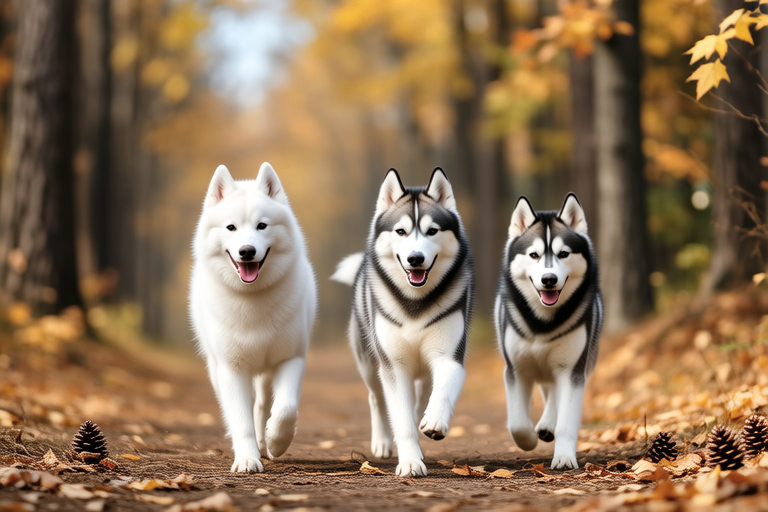
Siberian Huskies: A Journey into Their Captivating World and Care Tips
Welcome to the captivating world of Siberian Huskies! These striking dogs have been part of human history for centuries, known for their endurance, loyalty, and striking appearance. In this article, we will explore the origins of Siberian Huskies, their physical attributes, temperament, and energy levels. We will also delve into the proper care required for these majestic creatures, including diet, exercise, grooming, and health considerations. Finally, we will offer some valuable training techniques and tips for potential owners to ensure a happy and healthy relationship with their Siberian Husky.
Origins and Historical Significance
The Siberian Husky hails from the icy landscapes of northeastern Asia, where they were bred by the Chukchi people of Siberia. These resilient dogs were originally used for sledding and herding reindeer, tasks that demanded strength, endurance, and intelligence. The Siberian Husky’s reputation as a working dog has remained strong throughout the years, and they played a crucial role in the development of Alaska during the early 20th century. One of the most famous events involving Siberian Huskies was the serum run to Nome in 1925, which helped deliver life-saving diphtheria antitoxin across treacherous terrain. This event cemented the breed’s place in history and showcased their remarkable capabilities.
Physical Characteristics
Siberian Huskies are medium-sized dogs, typically weighing between 35 to 60 pounds and standing around 20 to 24 inches tall at the shoulder. They possess a thick double coat that provides insulation against harsh weather conditions, making them well-suited for cold environments. Their eyes can be blue, brown, or even a combination of both, adding to their unique appearance. Another distinctive feature is their bushy tail, which they often carry over their back like a fox’s. Their strong, muscular build is complemented by their agile movements, enabling them to cover long distances with ease.
Temperament and Energy Levels
Siberian Huskies are known for their friendly, outgoing, and social nature. They are generally good with children and other pets, though they may display some territorial behavior towards other dogs. Despite their gentle demeanor, they can be quite independent and stubborn at times, which requires patient and consistent training. One of the most notable traits of Siberian Huskies is their high energy levels. These dogs thrive on physical activity and mental stimulation, so it’s essential to provide them with ample opportunities to burn off excess energy. Without adequate exercise, they may become destructive or restless.
Diet and Nutrition
A balanced diet is crucial for maintaining the health and vitality of your Siberian Husky. High-quality dog food that meets their nutritional needs is recommended. Look for food that contains real meat as the primary ingredient, along with essential vitamins and minerals. Since Siberian Huskies are prone to weight gain due to their love for food, it’s important to monitor their calorie intake and avoid overfeeding. Consult with your veterinarian to determine the appropriate portion sizes based on your dog’s age, size, and activity level. Additionally, always provide fresh water and consider supplements if recommended by your vet.
Exercise Needs
As mentioned earlier, Siberian Huskies are highly energetic and require regular exercise to stay healthy and happy. Daily walks, runs, and play sessions are essential to meet their physical and mental needs. If possible, incorporate activities that challenge their problem-solving skills, such as puzzle toys or interactive games. Engaging in sports like agility, flyball, or mushing can also be beneficial. Remember that Siberian Huskies were bred for endurance, so they can easily keep up with active owners who enjoy outdoor adventures. However, be mindful of extreme heat, as their thick coats can make them uncomfortable in hot weather.
Grooming
Grooming is an important aspect of caring for your Siberian Husky. Their thick double coat requires regular brushing to prevent matting and remove loose hair. During shedding season, which occurs twice a year, daily brushing may be necessary to manage the amount of fur they lose. Bathing should be done only when needed, as excessive bathing can strip their coat of its natural oils. Regular nail trimming, ear cleaning, and dental care are also vital components of their grooming routine. Establishing a grooming schedule can help your dog get accustomed to the process and reduce stress.
Health Considerations
Siberian Huskies are generally healthy dogs, but they are prone to certain genetic conditions. Hip dysplasia, progressive retinal atrophy (PRA), and cataracts are among the most common health issues. Responsible breeding practices can help minimize the risk of these conditions. Regular veterinary check-ups are essential to monitor your dog’s overall health and catch any potential problems early. Vaccinations, parasite control, and preventive care are also important aspects of maintaining your Siberian Husky’s well-being.
Training Techniques
Training a Siberian Husky requires patience, consistency, and positive reinforcement. Due to their independent nature, they may not respond well to harsh or punitive methods. Instead, focus on building a strong bond through rewards-based training. Use treats, praise, and affection to encourage desired behaviors. Establish clear rules and boundaries early on to prevent behavioral issues. Socialization is also crucial, especially during the critical period between eight and sixteen weeks of age. Expose your puppy to various environments, people, and situations to promote confidence and good manners.
Tips for Potential Owners
Before bringing home a Siberian Husky, it’s important to consider whether you can provide the environment and lifestyle they need. These dogs are best suited for families who lead an active lifestyle and can offer plenty of physical and mental stimulation. They are not ideal for apartment living or individuals who work long hours away from home. Research reputable breeders and adopt from shelters to find a healthy and well-socialized companion. Once you bring your new furry friend home, invest time in bonding and establishing routines. With proper care, training, and attention, your Siberian Husky will be a loyal and loving member of your family.
In conclusion, Siberian Huskies are fascinating dogs with a rich history and unique characteristics. By understanding their origins, physical traits, temperament, and care requirements, you can ensure a fulfilling relationship with your Siberian Husky. Remember that owning a Siberian Husky is a commitment that requires dedication, effort, and love. With the right approach, these magnificent dogs can bring immense joy and companionship to your life.
