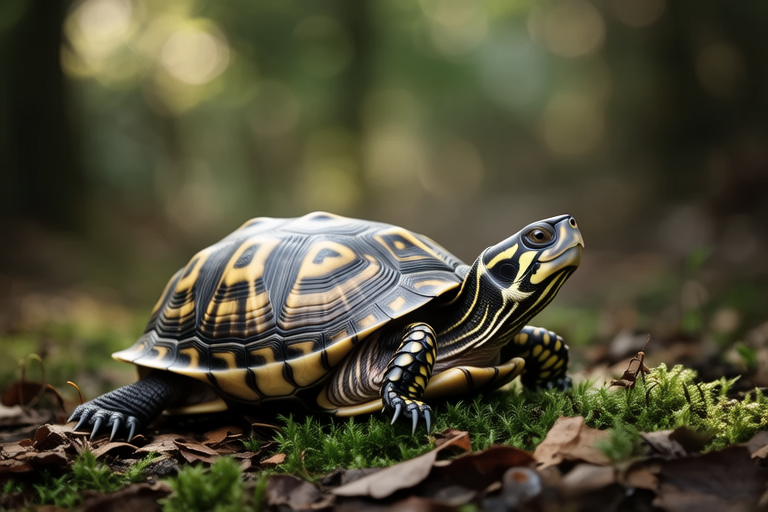
The Ultimate Three-Striped Box Turtle Care Manual
Welcome to your comprehensive guide to caring for three-striped box turtles! This manual will provide you with all the information necessary to ensure that your pet thrives in a healthy and enriching environment. From setting up their habitat to understanding their dietary needs and potential health issues, this guide covers everything you need to know.
Habitat Setup
Enclosure Size
Three-striped box turtles require ample space to move around comfortably. A minimum enclosure size of 4 feet by 2 feet is recommended for one adult turtle. Larger enclosures are ideal as they allow more room for exercise and exploration.
Substrate
The substrate, or bedding material, should mimic the natural environment of the turtle. Options include coconut fiber, cypress mulch, or a mixture of topsoil and sand. Avoid gravel or small pebbles, as these can pose choking hazards. The substrate should be kept clean and dry to prevent bacterial growth.
Lighting
Proper lighting is crucial for maintaining the turtle’s health. UVB lighting is essential for calcium absorption and overall bone health. Full-spectrum fluorescent bulbs designed specifically for reptiles should be used, and they should be replaced every six months. Place the light source about 12 inches above the substrate to ensure adequate UVB exposure.
Temperature
Three-striped box turtles are ectothermic, meaning they rely on external sources to regulate their body temperature. Maintain a temperature gradient within the enclosure: one side should be between 75°F and 80°F, while the other side should reach temperatures of 90°F to 95°F. Use a heat lamp or ceramic heater to achieve these temperatures.
Humidity
Maintaining appropriate humidity levels is vital for your turtle’s health. Aim for a relative humidity of 60% to 80%. You can increase humidity by misting the enclosure daily or using a humidifier. A shallow water dish should also be provided, allowing the turtle to soak and hydrate.
Diet and Nutrition
Three-striped box turtles are omnivorous, feeding on a variety of plant and animal matter. Their diet should consist of 50% vegetables, fruits, and flowers, and 50% protein sources like insects, earthworms, and occasional lean meats. Calcium supplementation is important, especially for growing turtles, to prevent metabolic bone disease.
Vegetables and Fruits
Safe vegetables include collard greens, mustard greens, dandelion leaves, and bell peppers. Offer a variety of fruits such as strawberries, blueberries, and melons. Always wash produce thoroughly before offering it to your turtle.
Protein Sources
Insects such as crickets, mealworms, and dubia roaches are excellent protein sources. Earthworms and slugs can also be offered occasionally. Gut-loading insects by feeding them nutritious foods before offering them to your turtle enhances their nutritional value.
Health Care Basics
Regular veterinary check-ups are essential for maintaining your turtle’s health. Signs of illness may include lethargy, loss of appetite, swollen eyes, or respiratory distress. Early intervention is key to effective treatment.
Vaccinations and Preventive Care
While vaccines are not typically required for turtles, regular deworming and parasite control are important. Discuss a preventive care plan with your veterinarian to keep your turtle healthy.
Handling Tips
Handle your turtle gently and infrequently to minimize stress. Wash your hands before and after handling to prevent the spread of bacteria. Support the turtle’s body fully, avoiding lifting it by its legs or tail.
Common Diseases to Watch For
Metabolic Bone Disease
This condition results from insufficient calcium intake and can lead to weakened bones and shell deformities. Ensure your turtle has access to UVB lighting and a balanced diet rich in calcium.
Respiratory Infections
Symptoms include runny nose, wheezing, and labored breathing. Respiratory infections are often caused by poor environmental conditions, such as improper temperature or humidity. Seek veterinary care immediately if you suspect a respiratory infection.
Behavioral Insights
Three-striped box turtles are generally docile and enjoy exploring their surroundings. Provide hiding spots and climbing structures to stimulate their natural behaviors. These turtles are solitary animals and do not typically interact well with others of their kind.
Conclusion
Caring for a three-striped box turtle requires dedication and attention to detail. By providing a suitable habitat, a balanced diet, and regular health checks, you can ensure your turtle lives a long and healthy life. Remember, the well-being of your turtle is paramount, so always prioritize their safety and comfort.
