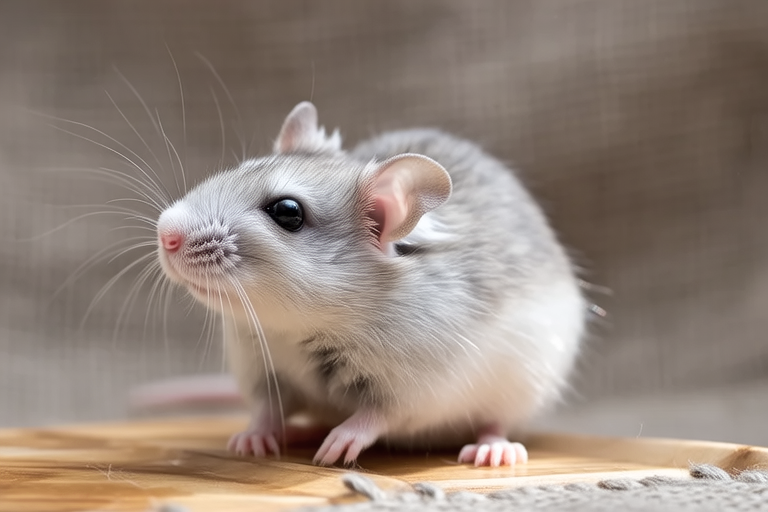
5 Myths Debunked About Chinchilla Care That Every Pet Owner Should Know
Chinchillas are unique, adorable creatures that have become increasingly popular as pets. Known for their soft, dense fur, these small rodents require specific care to thrive in captivity. Their origins in the Andes mountains of South America mean they are adapted to cold climates and high altitudes. As a result, chinchillas need environments that replicate these conditions, which can be challenging for many pet owners. This article aims to debunk five common myths about chinchilla care, providing valuable insights for both new and seasoned pet owners.
Myth 1: Chinchillas Only Need Dust Baths Once a Week
One of the most common misconceptions about chinchillas is that they only require dust baths once a week. In reality, chinchillas need more frequent bathing to maintain their luxurious coats. These animals have the densest fur of any land mammal, and proper grooming is crucial for preventing skin issues and infections.
Experts recommend providing your chinchilla with daily access to a dust bath for around 10-15 minutes. This frequency helps keep their fur clean and prevents the buildup of oils that can lead to health problems. It’s important to use a fine volcanic ash or a specially formulated dust designed for chinchillas. Overbathing can strip the natural oils from their fur, so it’s also essential to monitor the duration of each session.
Myth 2: Chinchillas Can Thrive in Any Temperature
Another prevalent myth is that chinchillas can adapt to any temperature, making them easy to care for in various climates. However, this couldn’t be further from the truth. Chinchillas are highly sensitive to heat, and temperatures above 80°F (27°C) can be dangerous for them.
These animals are native to the cool, dry mountain regions of South America, where temperatures rarely exceed 70°F (21°C). To ensure your chinchilla remains healthy, it’s vital to maintain their living environment between 60-70°F (15-21°C). A humidifier can help maintain the appropriate humidity level, which should be kept low to prevent respiratory issues. Ventilation is also key, so ensure their enclosure has adequate airflow.
Myth 3: Chinchillas Don’t Need Much Space
Many people believe that because chinchillas are small, they don’t require much space. While it’s true that chinchillas are compact, they are very active and need ample room to exercise and play. A cramped environment can lead to behavioral problems and stress.
The ideal cage size for a single chinchilla is at least 24 inches wide, 24 inches deep, and 24 inches tall. For pairs or groups, the cage should be even larger to accommodate their social and physical needs. Providing toys, tunnels, and platforms within the cage encourages exploration and mental stimulation. Regular exercise outside the cage is also recommended, but always supervise them to ensure their safety.
Myth 4: Chinchillas Are Low-Maintenance Pets
It’s often thought that chinchillas are low-maintenance pets due to their quiet nature and relatively simple diet. However, chinchillas are complex animals with specific dietary and environmental requirements that necessitate attentive care.
Feeding your chinchilla a balanced diet is crucial. They primarily eat hay, supplemented with a small amount of pellets and occasional treats like fresh vegetables. Fresh water should be available at all times. Additionally, chinchillas are prone to dental issues, so regular check-ups with a veterinarian familiar with exotic pets are necessary. Their teeth grow continuously, and improper diet or lack of chewing material can lead to overgrown teeth.
Myth 5: Chinchillas Are Nocturnal and Sleep During the Day
Some pet owners mistakenly believe that chinchillas are strictly nocturnal and sleep during the day. While chinchillas are indeed more active at night, they are crepuscular, meaning they are most active during twilight hours. This behavior pattern means they will be active during parts of the day and night.
To accommodate their activity levels, it’s best to place their cage in a quiet area away from direct sunlight and loud noises. Provide a comfortable hiding spot where they can retreat when they want to rest. Understanding their natural behavior patterns helps you create an environment that mimics their wild habitat, promoting their well-being.
Maintaining a Healthy Environment for Your Chinchilla
Creating a healthy environment for your chinchilla involves several key practices:
- Temperature Control: Keep the temperature between 60-70°F (15-21°C) and avoid direct sunlight.
- Diet: Feed a balanced diet of hay, pellets, and occasional treats.
- Hydration: Always provide fresh water.
- Grooming: Offer daily dust baths.
- Exercise: Allow regular supervised time outside the cage.
- Veterinary Care: Schedule routine check-ups with a veterinarian experienced with exotic pets.
By understanding and addressing these aspects of chinchilla care, you can ensure your pet lives a long, healthy, and happy life. Remember, chinchillas are unique and fascinating creatures that deserve the same level of attention and care as any other pet. With the right knowledge and commitment, you can provide a wonderful home for your chinchilla.
