The Ultimate Guide to Owning a Lop Rabbit: Tips from Expert Pet Parents
Introduction
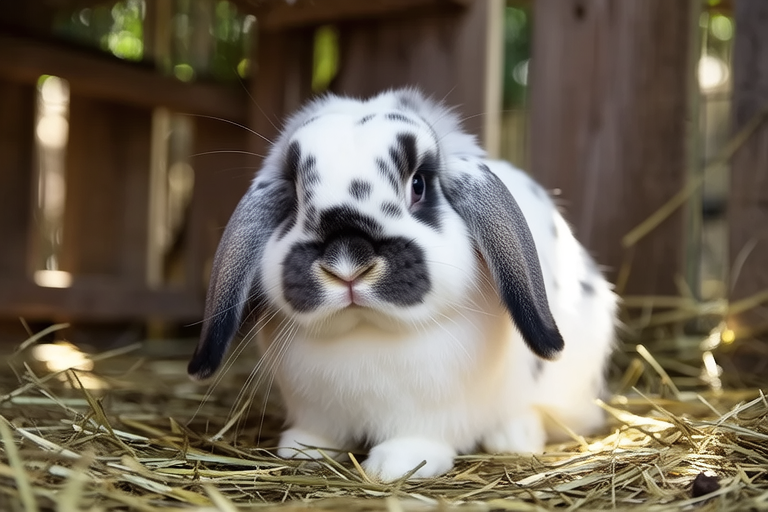
Lop rabbits have become one of the most popular choices among pet owners due to their friendly nature and distinctive appearance. These rabbits are known for their floppy ears, which can either hang down or be slightly perked up. Their gentle demeanor and affectionate personalities make them excellent companions for families and individuals alike. With their long bodies and short, plush coats, lop rabbits offer a unique charm that captivates many. However, owning a lop rabbit comes with responsibilities that require careful consideration. This guide will provide you with expert advice on everything from housing and diet to grooming and exercise, ensuring you can give your lop rabbit the best care possible.
Housing Requirements
Proper housing is crucial for the comfort and safety of your lop rabbit. Ideally, they should have a spacious indoor cage or hutch that allows ample room for movement. The cage should be at least four times the size of the rabbit when stretched out, providing enough space for hopping and playing. Additionally, it’s important to include a litter box inside the cage to encourage good hygiene habits. The flooring of the cage should be soft and comfortable, such as straw or shredded paper, to prevent sore hocks. Ensure the cage is placed in a quiet area away from direct sunlight and drafts, maintaining a temperature between 60°F and 75°F (15°C and 24°C).
Proper Diet
Feeding your lop rabbit a balanced diet is essential for their health and longevity. A high-quality hay, such as Timothy hay, should form the majority of their diet, as it aids digestion and keeps teeth healthy. Fresh vegetables, including carrots, broccoli, and spinach, can be given in moderation. Avoid feeding your rabbit iceberg lettuce or excessive amounts of fruits, as these can cause digestive issues. Always provide clean water in a heavy-bottomed bowl to prevent tipping. Consult with a veterinarian about introducing pellets, which should be limited to a small portion daily.
Grooming Needs
Lop rabbits have short, dense coats that require regular grooming to keep them clean and free from mats. Brushing your rabbit weekly with a slicker brush helps remove loose hair and prevents hairballs. During shedding season, more frequent brushing may be necessary. Bathing should only be done if absolutely necessary, as rabbits can catch colds easily. If bathing is required, use a mild, unscented shampoo and ensure thorough drying afterward. Regular nail trimming is also important to prevent overgrowth, which can lead to discomfort and difficulty walking. Ask a veterinarian or groomer for guidance on safely trimming your rabbit’s nails.
Exercise Routines
Providing adequate exercise is vital for your lop rabbit’s physical and mental well-being. Rabbits are active animals that need time outside their cages each day. A safe, enclosed area, such as a playpen or a rabbit-proofed room, allows them to hop, explore, and engage in natural behaviors. Supervised outdoor playtime is also beneficial, but always ensure they are protected from predators and extreme weather conditions. Toys, tunnels, and chew toys can stimulate their minds and prevent boredom. Rotate toys regularly to keep your rabbit interested and entertained.
Common Health Issues
Lop rabbits are generally healthy, but like all pets, they are susceptible to certain health problems. Common issues include dental disease, which can occur if teeth grow too long and require regular trimming by a veterinarian. Ear infections can also be a concern, especially for breeds with droopy ears. Gastrointestinal stasis, where food moves too slowly through the digestive system, is another serious condition that requires immediate veterinary attention. To help prevent these issues, maintain a consistent diet, provide plenty of hay, and monitor your rabbit’s behavior and appetite regularly. Early detection and treatment are key to managing any health concerns effectively.
Socializing and Training Lop Rabbits
Socializing your lop rabbit early on helps build a trusting relationship and makes training easier. Introduce your rabbit to different people and environments gradually to acclimate them to various stimuli. Positive reinforcement techniques, such as offering treats and praise, work well for training. Teach basic commands like coming when called or using a litter box consistently. Patience is crucial, as rabbits learn at their own pace. Spend quality time with your rabbit daily to strengthen your bond and encourage social interaction. Handling your rabbit gently and frequently helps them feel secure and comfortable around you.
Bonding with Your Lop Rabbit
Building a strong bond with your lop rabbit involves creating a nurturing environment and spending quality time together. Establish a routine that includes play sessions, grooming, and cuddling. Learn to recognize your rabbit’s body language and vocalizations, as this will enhance communication between you. Trust is built through consistency and positive experiences. Offer your rabbit opportunities to explore and interact, while ensuring their safety. By showing love and respect, you’ll create a lasting connection with your furry friend.
Maintaining Overall Well-being
To ensure your lop rabbit maintains optimal health and happiness, regular veterinary check-ups are essential. Preventative care, including vaccinations and parasite control, should be part of their routine. Monitor your rabbit’s weight and adjust their diet accordingly. Keep their living environment clean and hygienic, changing bedding frequently and sanitizing the cage as needed. Provide mental stimulation through enrichment activities and toys. By addressing potential health issues promptly and fostering a loving environment, you can help your lop rabbit thrive and enjoy a long, healthy life.
Conclusion
Owning a lop rabbit is a rewarding experience that brings joy and companionship into your home. By understanding their specific needs and providing proper care, you can ensure your rabbit lives a happy and healthy life. From housing and diet to socialization and training, every aspect of your rabbit’s care contributes to their overall well-being. With the expert advice provided in this guide, you’ll be well-equipped to provide the best possible care for your lop rabbit. Remember, a strong bond built on trust and affection will make your journey together even more fulfilling.
