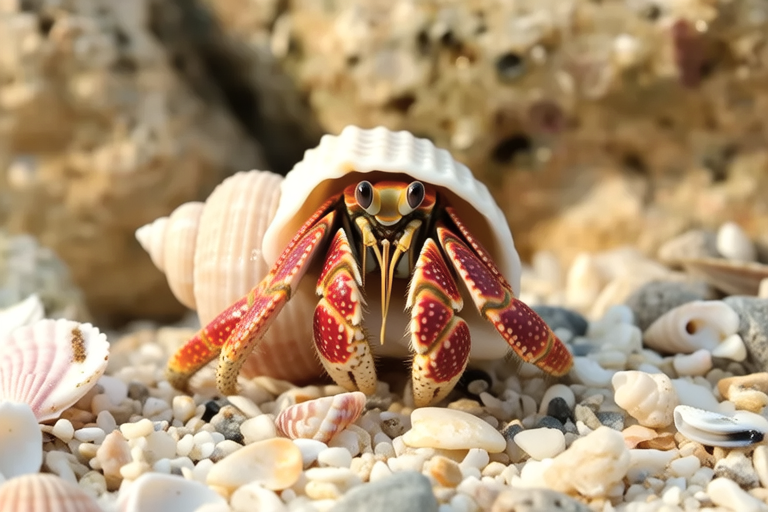
Hermit Crab Care 101: Tips from an Expert Shell Selector
Welcome to Hermit Crab Care 101! These fascinating creatures have unique needs that go beyond the basics of pet care. Hermit crabs are not only interesting to watch but also require special attention when it comes to their environment, diet, and overall well-being. One of the most critical aspects of hermit crab care is ensuring they have access to appropriate shells. This guide will walk you through everything you need to know about keeping your hermit crabs happy and healthy, starting with the basics of shell selection.
The Importance of Proper Shell Selection
Hermit crabs rely on shells for protection and comfort. As they grow, they must periodically find new shells to accommodate their expanding bodies. The right shell can make all the difference in your hermit crab’s quality of life. Factors such as size, shape, and material play crucial roles in determining whether a shell is suitable. Larger crabs may need larger shells, while smaller ones might prefer more compact options. Additionally, the shape should allow easy entry and exit, and the material should be sturdy enough to withstand the rigors of daily use.
Suitable Tank Setup
Creating a comfortable habitat for your hermit crabs involves more than just providing shells. A well-designed tank should mimic the natural environment of these creatures. Start by choosing a spacious aquarium or terrarium with a secure lid to prevent escapes. The enclosure should be large enough to accommodate all your crabs comfortably, ideally allowing at least 10 gallons per crab. Add a layer of substrate, such as coconut fiber or sand, which provides a natural digging surface and helps maintain humidity levels.
In addition to substrate, include various hiding spots, climbing structures, and water dishes. Hermit crabs enjoy exploring their surroundings, so offering a variety of textures and heights keeps them engaged. Make sure the water dishes are shallow enough for easy access but deep enough to submerge their entire body if desired. This is essential for molting and general hydration.
Temperature and Humidity Requirements
Maintaining optimal temperature and humidity is vital for hermit crabs’ health. These crustaceans thrive in environments similar to tropical beaches, where temperatures range between 75°F and 85°F (24°C to 29°C). Use a reliable thermometer to monitor the temperature inside the tank, and adjust heating sources as needed to keep it within this range.
Humidity levels should remain between 70% and 80%. To achieve this, mist the tank regularly or install a humidifier. Avoid over-misting, as standing water can lead to mold growth and respiratory issues. Proper ventilation is also important; ensure there are air holes in the tank’s lid to allow for fresh air circulation without causing drafts.
Diet Specifics
Hermit crabs are omnivorous scavengers, feeding on a wide variety of foods. In captivity, offer a balanced diet consisting of commercial hermit crab food, fresh fruits, vegetables, and occasional protein sources like boiled eggs or fish. Supplement their diet with calcium-rich foods to support shell health. You can also provide treats like seaweed or spirulina flakes. Always remove uneaten food promptly to prevent spoilage and contamination.
Provide a shallow dish filled with fresh, dechlorinated water for drinking and soaking. Change the water regularly to maintain cleanliness. Some hermit crabs also enjoy saltwater baths, which can help them shed old exoskeletons more easily. If you choose to offer saltwater baths, ensure the salinity matches that of their natural habitat (approximately 1.023 to 1.025 specific gravity).
Common Health Issues
Like any pet, hermit crabs can experience health problems if not cared for properly. Common issues include respiratory infections, shell rot, and molting complications. Respiratory infections often result from poor air quality or insufficient humidity, while shell rot occurs due to prolonged exposure to damp conditions or improper shell hygiene. Molting challenges may arise if the crab does not have access to a suitable hiding place or if environmental factors are suboptimal.
To prevent these issues, maintain clean living conditions, monitor temperature and humidity levels closely, and observe your crabs regularly for signs of distress. Early intervention can make a significant difference in resolving potential health concerns.
Expert Tips on Selecting Appropriate Shells
Selecting the perfect shell for your hermit crab requires careful consideration of several factors. Size is perhaps the most obvious criterion; the shell should be slightly larger than the crab’s current body size but not too big that it becomes unwieldy. Shape matters too; the opening should be wide enough for easy entry and exit, and the interior should provide ample space for the crab to turn around comfortably.
Material is another key factor. Natural shells are generally preferred because they offer better insulation and protection against predators. However, artificial shells made from materials like ceramic or resin can be useful alternatives, especially for crabs that outgrow their natural options quickly. When introducing new shells into the tank, sterilize them first by soaking in a weak bleach solution followed by thorough rinsing and drying.
Maintaining a Healthy Environment
To ensure your hermit crabs stay healthy and happy, establish a routine for cleaning and maintenance. Regularly check the tank’s temperature and humidity levels, and adjust settings as necessary. Clean the substrate periodically, removing any debris or waste. Inspect water dishes frequently, replacing water and cleaning containers as needed. By maintaining a clean and stable environment, you promote overall wellness among your hermit crabs.
Enriching Activities for Hermit Crabs
Providing enrichment opportunities enhances the quality of life for hermit crabs. Introduce novelty items into the tank occasionally, such as driftwood branches, seashells, or plastic plants. Rotate these items periodically to stimulate exploration and prevent boredom. Consider setting up a small obstacle course using safe materials, encouraging your crabs to navigate through tunnels or climb over obstacles.
Engaging with your hermit crabs through gentle handling and observation fosters bonding and strengthens your relationship. Handle them carefully, supporting their body weight to avoid injury. Take time each day to interact with your pets, observing their behavior and noting any changes that could indicate health concerns.
In conclusion, hermit crab care involves understanding their unique needs and providing a stimulating, supportive environment. By focusing on proper shell selection, maintaining ideal tank conditions, offering nutritious diets, addressing common health issues promptly, and enriching their lives with varied activities, you can ensure your hermit crabs live long, healthy, and fulfilling lives. With patience and dedication, you’ll become an expert shell selector and loving caretaker, creating a wonderful home for these delightful creatures.
