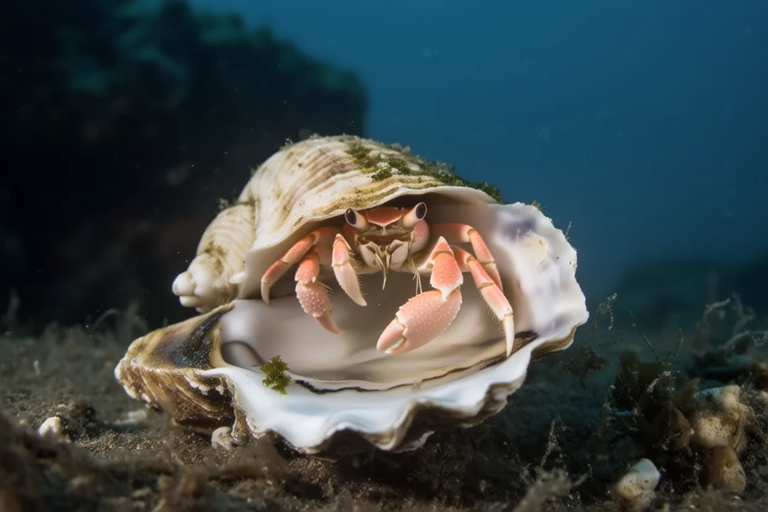
The Symbiotic Relationship Between Pea Crabs and Their Mollusk Hosts
Pea crabs (Pinnotheridae) have developed an extraordinary symbiotic relationship with certain species of mollusks, which is characterized by mutual benefits for both partners. This unique arrangement has been studied extensively, providing valuable insights into the intricate dynamics of marine life. In this article, we will explore the physical adaptations of pea crabs that enable them to thrive within their mollusk hosts, the specific types of mollusks involved, the challenges they face, and the ecological importance of this relationship.
Physical Adaptations of Pea Crabs
Pea crabs are small, delicate crustaceans that measure approximately 1 to 2 centimeters in length. Their size allows them to fit comfortably within the mantle cavity of their host mollusks, where they reside for most of their lives. One of the key adaptations that enables pea crabs to live inside their hosts is their flattened body shape, which helps them maneuver through the narrow spaces within the mollusk’s shell. Additionally, pea crabs possess specialized appendages called setae, which help them anchor themselves securely within the host’s tissues, preventing them from being expelled.
Another important adaptation is the pea crab’s ability to breathe using gills located on its abdomen. These gills allow the crab to extract oxygen from the water that flows through the host’s mantle cavity, ensuring it receives sufficient oxygen even when confined within the shell. Furthermore, pea crabs have developed a unique reproductive strategy that takes advantage of their host environment. Female pea crabs lay their eggs within the safety of the host’s mantle cavity, where they are protected from predators and environmental hazards. Once hatched, the tiny larvae disperse into the surrounding waters to begin their independent lives.
Specific Species of Mollusks Involved
The symbiotic relationship between pea crabs and mollusks involves several species of bivalves, including oysters, scallops, and clams. These mollusks provide a stable and protected environment for the pea crabs, offering them shelter from predators and harsh environmental conditions. In return, the pea crabs contribute to the health and well-being of their hosts in various ways.
One of the most notable benefits that pea crabs provide to their hosts is the removal of parasites and debris from the host’s tissues. By feeding on these unwanted substances, pea crabs help maintain the cleanliness and overall health of their hosts. Additionally, some studies suggest that pea crabs may play a role in regulating the growth and development of their hosts by influencing the hormonal balance within the host’s body. For example, certain species of pea crabs have been observed to stimulate the production of sex hormones in their hosts, potentially affecting the timing of reproduction.
Benefits for Each Partner
The symbiotic relationship between pea crabs and their mollusk hosts is mutually beneficial. For the pea crabs, the primary advantage is the protection provided by the host’s shell, which shields them from predators and environmental stressors. The enclosed space also offers a stable microenvironment, ensuring a constant supply of food and oxygen. Moreover, the presence of the host’s mantle cavity provides a safe haven for pea crabs during mating and egg-laying, enhancing their chances of successful reproduction.
For the mollusks, the presence of pea crabs can lead to improved health and longevity. By consuming parasites and other harmful organisms, pea crabs help keep their hosts free from disease and infection. Additionally, the removal of debris from the host’s tissues promotes better respiratory function and overall vitality. Some researchers have suggested that the presence of pea crabs may also enhance the reproductive success of their hosts by stimulating hormone production, leading to more frequent spawning events.
Challenges and Threats
Despite the many advantages of this symbiotic relationship, both pea crabs and their mollusk hosts face numerous challenges and threats. One of the primary dangers for pea crabs is the risk of being displaced from their host due to changes in the host’s behavior or environment. For instance, if the host molts or moves to a new location, the pea crab may be left exposed and vulnerable to predation. Additionally, pea crabs are susceptible to parasitic infections themselves, which can compromise their health and reduce their lifespan.
The mollusks also face potential risks associated with hosting pea crabs. While the presence of pea crabs generally improves the health of their hosts, there are instances where the relationship can become detrimental. For example, if the population of pea crabs within a host becomes too large, it could lead to overcrowding and competition for resources, potentially harming the host. Furthermore, some species of pea crabs have been known to consume the host’s gonads, which can negatively impact the host’s reproductive capabilities.
Ecological Significance
The symbiotic relationship between pea crabs and their mollusk hosts plays a crucial role in maintaining the balance of marine ecosystems. By promoting the health and survival of both partners, this relationship contributes to the overall biodiversity and productivity of coastal environments. The removal of parasites and debris by pea crabs helps prevent the spread of diseases among mollusks, reducing the likelihood of widespread outbreaks that could disrupt entire ecosystems.
Moreover, the presence of pea crabs within their hosts can influence the distribution and abundance of other species within the ecosystem. For example, the consumption of parasites by pea crabs may lead to increased survival rates for other organisms that rely on mollusks as a food source. Additionally, the stimulation of hormonal activity in mollusks by pea crabs can affect the timing and frequency of reproductive events, potentially influencing the availability of food resources for predators higher up the food chain.
Conclusion
The symbiotic relationship between pea crabs and their mollusk hosts is a fascinating example of the complex interactions that occur within marine ecosystems. Through their physical adaptations and unique reproductive strategies, pea crabs are able to thrive within the confines of their hosts, while providing significant benefits to their partners. Despite the challenges and threats they face, both pea crabs and their hosts continue to coexist successfully, contributing to the health and stability of coastal environments worldwide.
