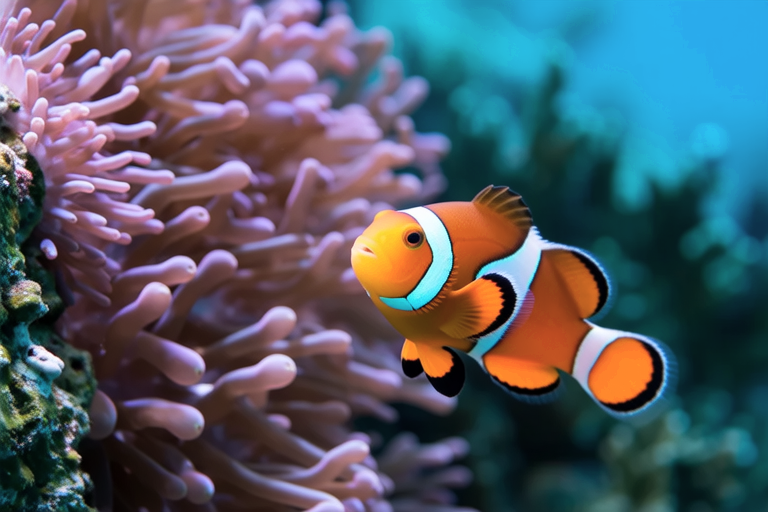
The Fascinating Life Cycle of Clownfish
Clownfish, with their vibrant orange and white stripes, are some of the most beloved fish in the ocean. These small yet mighty creatures have captivated the hearts of many with their unique symbiotic relationship with sea anemones. From the moment they hatch as tiny eggs, through their journey to adulthood, each stage of a clownfish’s life is filled with incredible transformations and challenges. Let’s dive into the fascinating life cycle of these charming little fish.
Spawning: The Beginning of Life
The clownfish life cycle begins with spawning, a process that occurs during specific lunar phases. Male clownfish, typically smaller than females, take on the role of courting partners. They perform elaborate dances, displaying their fins and swimming around potential mates. Once a female selects a partner, she will lay her eggs on a flat surface near the safety of an anemone. The male then fertilizes the eggs by releasing sperm over them.
Clownfish eggs are adhesive and stick to rocks, coral, or even the base of their host anemone. The male clownfish diligently guards the eggs, fanning them with his fins to provide oxygen and protect them from predators. This dedicated care can last up to a week, after which the eggs hatch, releasing hundreds of tiny larvae into the open ocean.
Larval Development: A Dangerous Journey
The newly hatched larvae are microscopic and transparent, drifting helplessly with ocean currents. During this vulnerable stage, they must avoid being eaten by larger predators while searching for a suitable environment to settle. Larvae undergo several molts as they grow, developing organs and structures necessary for survival. After approximately two weeks, the larvae reach a size where they can swim actively and search for a new home.
One of the most remarkable aspects of clownfish larvae is their ability to sense chemical cues from their future hosts, sea anemones. Even at this early stage, they show a preference for certain anemone species, which will become their lifelong companions. This innate attraction to anemones ensures that clownfish larvae find safe havens amidst the dangers of the open ocean.
Juvenile Adaptation: Finding a Home in Anemones
Once the larvae find a suitable anemone, they transform into juveniles. This transition marks the beginning of their symbiotic relationship with sea anemones. Sea anemones are cnidarians with stinging cells called nematocysts, which they use to capture prey and deter predators. However, clownfish have developed a protective mucus layer on their skin that prevents the anemone’s stings from affecting them.
This unique adaptation allows clownfish to live among the tentacles of their host anemone without harm. In return, clownfish offer protection against predators that might otherwise eat the anemone. They also bring food to the anemone, including leftovers from their own meals and waste products that serve as nutrients. This mutually beneficial relationship is one of nature’s most beautiful examples of symbiosis.
Not all clownfish species have the same level of immunity to anemone stings. Some species, like the false clownfish (Amphiprion ocellaris), are highly resistant, while others may only be partially immune. Recent studies suggest that clownfish can adjust their mucus composition based on the type of anemone they encounter, further enhancing their protection.
Maturity: Becoming Adults
As clownfish grow and mature, they develop their characteristic orange and white stripes. Males usually remain smaller than females, a trait known as sexual dimorphism. When a female dies or leaves the group, the largest male clownfish can change sex and become the dominant female. This ability to switch genders ensures the continuation of the species, as it allows for reproduction even when population numbers are low.
Adult clownfish are territorial and fiercely defend their anemone homes against intruders. They are diurnal, meaning they are active during the day, and spend most of their time within a few meters of their host anemone. Their diet consists mainly of algae, plankton, and small invertebrates, which they can easily catch within their protected habitat.
Challenges Throughout the Life Cycle
Despite their impressive adaptations, clownfish face numerous challenges throughout their lives. One of the biggest threats comes from environmental changes, such as rising ocean temperatures and pollution. These factors can stress both clownfish and their anemone hosts, potentially weakening their symbiotic relationship.
In addition to environmental pressures, clownfish must navigate various predators, including larger fish and invertebrates. Their bright colors serve as a warning sign to potential predators, indicating their toxic nature. However, this defense mechanism is not always foolproof, especially for younger, less experienced individuals.
Recent scientific discoveries have shed light on the complex social dynamics within clownfish groups. Researchers have found that clownfish communicate through body movements and sounds, helping them coordinate activities and maintain group cohesion. These findings highlight the intelligence and adaptability of these fascinating creatures.
Conclusion
The life cycle of clownfish is a testament to the resilience and ingenuity of marine life. From their delicate beginnings as eggs to their mature roles as protectors of their anemone homes, each stage of their development is marked by remarkable adaptations and challenges. The symbiotic relationship between clownfish and sea anemones exemplifies the intricate web of life in our oceans. As we continue to explore and understand these amazing creatures, it becomes increasingly clear that preserving their habitats is crucial for maintaining the health and diversity of our marine ecosystems.
