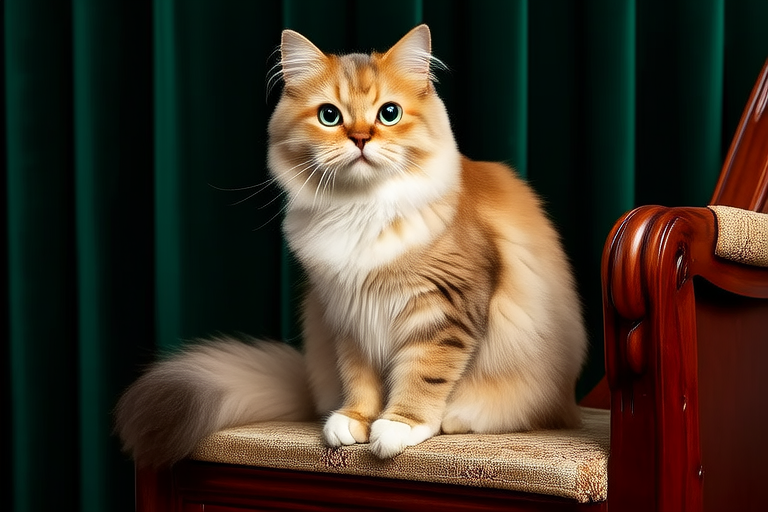
The Golden British Shorthair Cats: A Journey Through Time
The Golden British Shorthair, a breed of cat known for its luxurious golden coat and robust build, has a rich history that spans centuries. Originating in Britain, this majestic feline was once a favorite pet among British nobility. Over time, it has transformed into a beloved companion across the globe, cherished for its affectionate nature, striking appearance, and gentle demeanor.
Historical Background
The Golden British Shorthair can trace its roots back to ancient Egypt, where cats were revered as sacred animals. The breed’s ancestors were likely brought to Britain by Romans who admired the cats’ hunting prowess and elegant appearance. Initially, these cats were valued for their ability to control rodent populations, but they soon became prized for their companionship. By the Victorian era, the Golden British Shorthair had become a symbol of luxury and elegance, often found in the homes of British aristocracy.
During the late 19th century, the breed gained recognition at cat shows, where judges admired its distinctive features. However, due to World War II, the breed nearly disappeared. To preserve the lineage, breeders crossed the remaining British Shorthairs with Persians, creating the modern Golden British Shorthair we know today. This crossbreeding introduced new colors and patterns while maintaining the breed’s original temperament and physique.
Physical Traits
The Golden British Shorthair is characterized by its dense, plush golden coat, which ranges from light cream to deep amber. Their fur is short but thick, requiring regular grooming to prevent matting. The breed’s large, round eyes, typically blue or gold, complement their broad head and strong jawline. Their ears are small and rounded, adding to their overall regal appearance. The body is medium to large, muscular, and well-proportioned, giving them a sturdy yet graceful presence.
One of the most striking features of the Golden British Shorthair is its tail, which is thick and bushy, tapering slightly toward the tip. Their paws are large and rounded, resembling those of a teddy bear. These physical attributes contribute to their distinctive charm and make them easily recognizable among cat enthusiasts.
Temperament and Grooming Needs
The Golden British Shhortair is renowned for its calm and gentle temperament. They are affectionate, loyal, and patient, making them excellent companions for families and individuals alike. These cats are known for their playful nature, particularly during kittenhood, but they also enjoy lounging and napping in cozy spots around the house. They tend to be less active than some other breeds, preferring to conserve energy for short bursts of play.
Grooming is an essential aspect of caring for a Golden British Shorthair. Their dense coats require weekly brushing to remove loose hair and prevent matting. Bathing should be done sparingly, as frequent washing can strip their skin of natural oils. Owners should also trim their nails regularly and check their ears for wax buildup or signs of infection. Dental hygiene is crucial, so providing chew toys or brushing their teeth can help maintain oral health.
Health Considerations
While generally healthy, the Golden British Shorthair may be prone to certain genetic conditions, including hypertrophic cardiomyopathy (HCM), a heart disease that affects the heart muscle. Regular veterinary check-ups can help detect early signs of HCM and other potential issues. Obesity is another concern, as these cats have a tendency to overeat. Providing a balanced diet and encouraging regular exercise can help maintain a healthy weight.
Owners should also be aware of the breed’s susceptibility to hairballs, which can cause digestive issues if left untreated. Offering hairball remedies or increasing fiber intake through dietary changes can alleviate this problem. Regular vaccinations and parasite prevention are vital to ensure the overall health of your Golden British Shorthair.
Common Behaviors
The Golden British Shorthair is known for its curious and investigative nature. They enjoy exploring their surroundings and may engage in playful antics, such as chasing toys or batting at objects. These cats tend to be vocal, often communicating with soft meows or chirps. They are social creatures and thrive in environments where they receive attention and affection from their human companions.
Training a Golden British Shorthair can be both rewarding and challenging. Positive reinforcement techniques, such as treats and praise, work best when teaching basic commands or encouraging desirable behaviors. Consistency is key, as these cats can be stubborn at times. Providing mental stimulation through puzzle toys or interactive games can help prevent boredom and destructive behavior.
Interaction with Children and Other Pets
The Golden British Shorthair’s gentle and patient nature makes them an ideal choice for families with children. They are tolerant of handling and play, provided that interactions are gentle and respectful. Early socialization is important to ensure that both the cat and child develop a positive relationship. Supervision is recommended during initial interactions to prevent accidents or mishandling.
Golden British Shorthairs generally get along well with other pets, especially when introduced gradually. Introducing a new cat or dog to the household requires careful monitoring and patience. Providing separate spaces for each animal can help reduce stress and promote harmony within the home. It’s important to note that individual personalities can vary, so it’s essential to observe how each pet reacts to one another before allowing free roam.
Popularity Growth and Media Appearances
The Golden British Shorthair has experienced significant growth in popularity over the past few decades. Their charming appearance and friendly disposition have made them a favorite among cat lovers worldwide. Social media platforms have played a role in increasing awareness of the breed, showcasing their unique features and endearing behaviors. The breed’s rise in prominence can also be attributed to its frequent appearances in movies, television shows, and advertisements.
Notable media appearances include the character Cheshire Cat in Disney’s “Alice in Wonderland,” which has inspired many fans to adopt Golden British Shorthairs. Additionally, the breed has been featured in various cat-related publications and competitions, further cementing its status as a purrfect pet. The Golden British Shorthair’s unique charm continues to captivate audiences and attract new admirers.
Tips for Potential Owners
Owning a Golden British Shorthair requires commitment and dedication to ensure their health and happiness. Prospective owners should research reputable breeders and visit catteries to meet the cats in person. It’s important to ask questions about the breeder’s practices and the health history of the cats. Providing a safe and comfortable environment, complete with scratching posts, climbing trees, and hiding spots, can help your Golden British Shorthair feel secure and content.
Socialization is crucial for young kittens, as it helps them develop confidence and adaptability. Enrolling them in kitten classes or exposing them to different environments can be beneficial. Establishing routines for feeding, playtime, and grooming can create structure and consistency in their daily lives. Owners should also be prepared for the financial responsibilities associated with owning a cat, including veterinary care, food, and supplies.
Conclusion
The Golden British Shorthair has come a long way since its days as a favored pet among British nobility. Today, this majestic feline enjoys widespread admiration and affection from cat lovers around the world. With their luxurious golden coats, calm temperaments, and gentle dispositions, they make excellent companions for families and individuals alike. By understanding their unique needs and providing proper care, owners can ensure that their Golden British Shorthair leads a healthy and happy life in modern households.
