The Ultimate Guide to Surviving with a Siberian Husky at Home
Introduction to Siberian Huskies – Their Origins and Typical Temperament
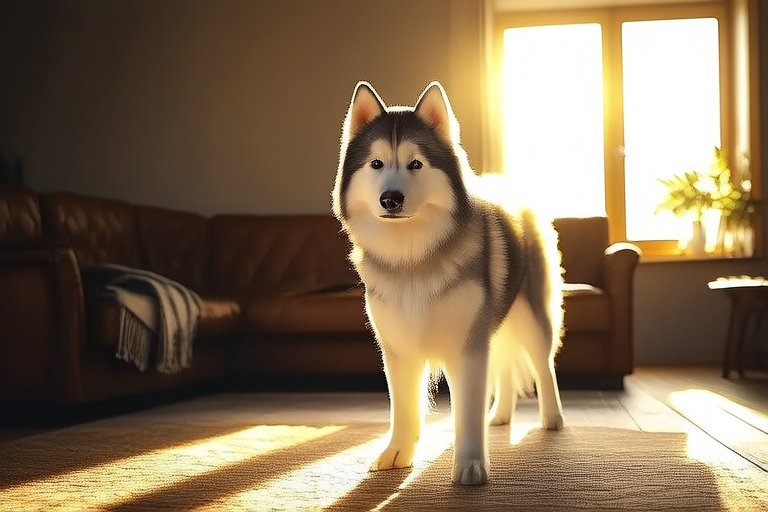
Siberian Huskies have a rich history that dates back to the Chukchi people of Northeastern Asia. These dogs were bred to pull sleds across long distances in harsh Arctic conditions. Known for their endurance and strength, Siberian Huskies are medium-sized dogs with a striking appearance characterized by their thick double coat, expressive blue eyes, and wolf-like features.
In terms of temperament, Siberian Huskies are friendly, outgoing, and affectionate. They are often described as being gentle with children and other pets. However, their independent nature can sometimes lead to stubbornness, making them challenging to train. Despite this, they are highly intelligent and eager to please when motivated properly. Understanding these traits is crucial for potential owners to ensure they provide an environment that meets the dog’s physical and mental needs.
Space Requirements – Ideal Living Conditions for a Husky Indoors and Outdoors
Providing ample space is essential for Siberian Huskies due to their active nature. Ideally, they should have access to both indoor and outdoor spaces. Indoors, ensure your home has enough room for them to move around comfortably without feeling cramped. A spacious living area with furniture that allows for easy navigation is ideal.
Outdoors, Siberian Huskies thrive in environments that mimic their natural habitat. A large fenced yard with sturdy fencing is necessary to prevent escape attempts. The fence should be at least six feet high and consider adding an underground barrier to deter digging. Additionally, providing shelter from extreme weather conditions, such as a doghouse or covered area, ensures their comfort.
Exercise Needs – Daily Exercise Routines to Keep a Husky Healthy and Happy
Daily exercise is vital for maintaining the physical and mental well-being of a Siberian Husky. Aim for at least one hour of vigorous activity each day. This can include running, hiking, or playing fetch. Engaging in activities that challenge their minds, such as puzzle toys or agility courses, also helps stimulate their intelligence.
Consistency is key; establish a routine that includes regular walks and playtime. Incorporating different types of exercises keeps things interesting for both you and your Husky. Remember, these dogs were bred for endurance, so they enjoy long, sustained periods of activity rather than short bursts.
Training Tips – Effective Methods for Training and Socializing a Siberian Husky
Training a Siberian Husky requires patience and positive reinforcement. Start early with basic commands like sit, stay, come, and heel. Use treats and praise as rewards to encourage good behavior. Consistency is crucial; always use the same command words and reward system.
Socialization is equally important. Expose your Husky to various environments, people, and other animals from a young age. This helps them develop into well-rounded, confident dogs. Joining obedience classes or dog parks can provide valuable social experiences under controlled conditions.
Grooming Essentials – Regular Grooming Practices to Maintain a Husky’s Coat and Hygiene
Grooming is a significant part of caring for a Siberian Husky. Their thick double coat sheds heavily, particularly during spring and fall. Regular brushing—preferably daily during shedding seasons—helps manage loose fur and prevents matting. Use a slicker brush to remove dead hair and distribute skin oils.
Bathing should be done sparingly, usually every few months, unless there is a specific need. Over-bathing can strip the coat of its natural oils. Trim nails regularly to avoid discomfort and maintain proper foot health. Check ears weekly for signs of infection or debris and clean them gently if necessary.
Dietary Considerations – Nutritional Needs and Feeding Schedules for Optimal Health
Nutrition plays a critical role in the overall health of a Siberian Husky. High-quality dog food formulated for active breeds is recommended. Look for ingredients like lean meats (chicken, fish), whole grains, fruits, and vegetables. Avoid foods containing fillers, artificial preservatives, or excessive sugars.
Feeding schedules should be consistent. Divide daily rations into two meals to aid digestion. Monitor portion sizes based on age, weight, and activity level. Always provide fresh water and adjust feeding amounts according to changes in your Husky’s lifestyle or health.
Health Concerns – Common Health Issues and Preventive Care for Siberian Huskies
Siberian Huskies are generally healthy but may be prone to certain genetic disorders. Common issues include hip dysplasia, eye problems (such as cataracts and progressive retinal atrophy), and skin allergies. Regular veterinary check-ups help catch these conditions early.
Preventive care includes vaccinations, flea and tick control, and dental hygiene. Brush teeth regularly or offer chew toys to promote oral health. Maintain a healthy weight through balanced nutrition and exercise to reduce the risk of obesity-related complications.
Tips for Owners – Advice on Handling Specific Behaviors Like Howling or Digging
Howling is a natural behavior for Huskies, often triggered by boredom, loneliness, or excitement. To manage this, ensure they receive adequate stimulation and companionship. Redirect attention to appropriate outlets, such as toys or games.
Digging is another common issue, often stemming from instinctual behaviors related to hunting or seeking cool spots. Provide designated digging areas or redirect their energy through activities like burrowing tunnels. Reinforce desired behaviors with praise and treats.
Conclusion – Summarizing Key Points and Encouraging Responsible Ownership
Raising a Siberian Husky requires dedication, commitment, and understanding of their unique needs. By providing proper space, exercise, training, grooming, nutrition, and healthcare, you can ensure your Husky leads a happy and healthy life. Embrace their independence while fostering strong bonds through positive interactions.
Remember, responsible ownership involves more than just meeting basic needs; it includes educating yourself about the breed and being prepared for long-term commitments. With love, patience, and effort, owning a Siberian Husky can be one of the most rewarding experiences.
