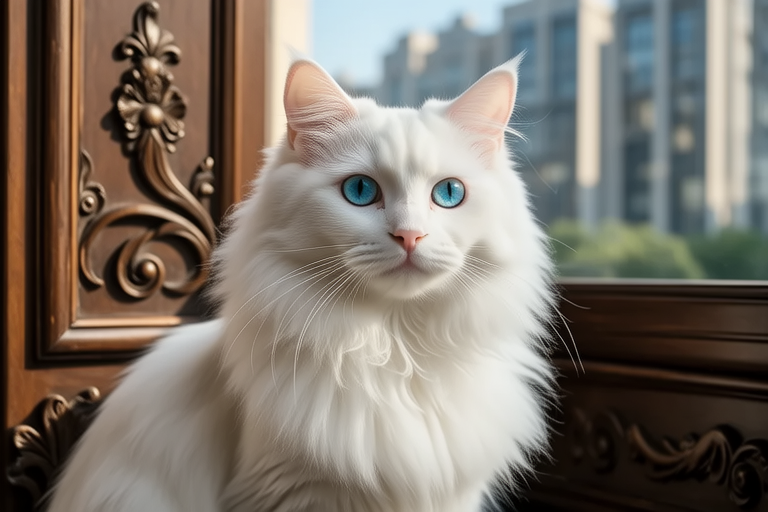
From Royal Paws to Modern Homes: How Turkish Anagoras Have Captivated Hearts Worldwide
The Anagora, a breed deeply rooted in Turkish history, has traversed centuries and continents, captivating hearts with its regal presence and gentle demeanor. Originating from the ancient Anatolian region, this breed has been cherished for millennia, first as companions to Turkish royalty and later as beloved pets in modern homes across the globe. This article delves into the rich heritage of the Anagora, explores their unique characteristics, and highlights their enduring appeal.
Ancient Lineage: The Anagora in Turkish Royalty
The Anagora’s history stretches back over two thousand years, making it one of the oldest breeds in existence. Initially bred as hunting dogs, these majestic creatures quickly became indispensable to the nobility. Their loyalty and intelligence made them ideal companions for rulers and aristocrats. Historical records indicate that the Anagora was often gifted between royal families as tokens of peace and friendship, further cementing its status as a symbol of prestige.
During the Ottoman Empire, Anagoras were not only cherished for their hunting prowess but also for their role in courtly life. They were known to be well-behaved, quiet, and unobtrusive, qualities that endeared them to the sultans. The breed’s elegance and grace were frequently mentioned in literature and art of the period, immortalizing them as icons of nobility and refinement.
Physical Attributes and Temperament
Anagoras are medium-sized dogs, standing at about 45 to 55 centimeters at the shoulder, and weighing between 18 to 30 kilograms. Their most striking feature is their thick, double coat, which can be either short or long, depending on the individual. The coat comes in a variety of colors, including white, cream, and various shades of gray. Their eyes are almond-shaped and expressive, adding to their overall charm.
What truly sets Anagoras apart is their temperament. Known for being affectionate, intelligent, and highly adaptable, they are excellent family pets. They are patient with children and other animals, making them ideal for households with multiple pets. Anagoras are also known for their calm demeanor, rarely barking unless there is a genuine need. This trait makes them excellent watchdogs without being overly aggressive.
Owners often describe their Anagoras as having a gentle soul, always eager to please their human companions. One owner, Sarah Thompson, shared her experience, “My Anagora, Luna, is like a member of the family. She has this incredible ability to sense when someone needs comfort and will curl up beside them. Her loyalty is unmatched.”
The Transition to Modern Homes
As the world changed, so did the role of the Anagora. With the decline of the Ottoman Empire, the breed faced challenges in maintaining its numbers. However, dedicated enthusiasts worked tirelessly to preserve the breed, leading to its resurgence in the 20th century. Today, Anagoras can be found in homes all over the world, from bustling cities to quiet suburban neighborhoods.
Their adaptability is key to their success in modern living. Anagoras are content in apartments as long as they receive adequate exercise and mental stimulation. They are not overly active dogs but enjoy regular walks and playtime. Their low-maintenance grooming needs also make them popular among busy pet owners.
One notable example of the Anagora’s integration into modern life is their role as therapy dogs. Their calm nature and empathy make them ideal candidates for providing emotional support to those in need. Many organizations now include Anagoras in their programs, bringing comfort and joy to hospital patients, nursing home residents, and individuals suffering from anxiety or depression.
Personal Testimonials
To truly understand the impact of Anagoras, it’s essential to hear from those who have welcomed them into their lives. John Doe, a retired engineer, adopted an Anagora named Max a few years ago. “Max has brought so much joy to our household. He has this way of knowing when something is wrong and will nuzzle me until I feel better. His presence has been a blessing.”
Mary Smith, a young mother, added, “I never thought I’d find a dog that could handle my chaotic household, but my Anagora, Bella, has been perfect. She is so patient with my kids and loves to join us in our daily adventures.”
The Future of the Anagora
Looking ahead, the future of the Anagora seems bright. As awareness of the breed grows, more people are discovering the joys of owning an Anagora. Breeders around the world are working to maintain the health and vitality of the breed while ensuring that each generation continues to embody the qualities that have made them so beloved.
International dog shows and competitions provide platforms for showcasing the Anagora’s unique traits and talents. These events help to promote the breed and attract new admirers. Additionally, ongoing research into the genetic makeup of Anagoras may lead to advancements in veterinary care, ensuring that they remain healthy and happy for many generations to come.
The Anagora’s legacy is one of resilience and love. From their origins in the courts of Turkish royalty to their current status as cherished companions in modern homes, these dogs continue to captivate hearts worldwide. Their timeless appeal lies in their ability to bring joy, comfort, and companionship to those lucky enough to share their lives.
