The Evolution of Pets in Norway: From Ancient Times to the Present
Throughout history, pets have played an integral role in human society, providing companionship, assistance, and entertainment. In Norway, this relationship has evolved significantly over time, shaped by geographical and climatic conditions, cultural practices, and societal changes. This article explores the historical evolution of pets in Norway, highlighting key periods and significant changes in pet ownership.
Prehistoric Era: Early Evidence of Pet Ownership
The earliest evidence of pet ownership in Norway can be traced back to the prehistoric era. Archaeological findings, such as burial sites with dogs, suggest that humans and animals shared a close bond even in ancient times. Dogs were likely the first animals to be domesticated in Norway, primarily for hunting and guarding purposes. The climate and terrain of Norway, characterized by dense forests and rugged landscapes, made dogs essential companions for survival.
During this period, dogs were not only valued for their utility but also for their companionship. They were often buried alongside their owners, indicating a deep emotional connection. This practice is evident in the excavation of burial mounds and caves, where the remains of both humans and dogs have been found. The presence of these animals in burial sites suggests that they were considered family members and mourned in death.
Viking Age: A Time of Expansion and Trade
The Viking Age (8th to 11th centuries) saw significant expansion and trade, which influenced the types of pets kept in Norway. Cats, for instance, became more common as a result of increased contact with other cultures. Norse mythology and folklore also played a role in shaping the relationship between humans and animals, with certain creatures being revered or feared.
Dogs continued to be important during this era, particularly for hunting and guarding. Archaeological evidence shows that certain breeds, such as the Norwegian Elkhound, were well-suited to the harsh Norwegian winters and played a crucial role in hunting large game like elk and bear. The Norwegian Elkhound, known for its thick coat and endurance, was a valuable asset to hunters and farmers alike.
Cats, on the other hand, were valued for their ability to control rodent populations. Historical texts from the period mention cats being kept on farms and in households to protect grain stores and other food supplies. Their independent nature and adaptability made them ideal companions for the Vikings, who often traveled long distances and required animals that could fend for themselves.
Middle Ages: The Role of Pets in Daily Life
During the Middle Ages (12th to 15th centuries), pets continued to play important roles in daily life. Dogs remained popular for hunting and guarding, while cats were still valued for pest control. However, the introduction of new breeds and the influence of European culture began to shape the types of pets kept in Norway.
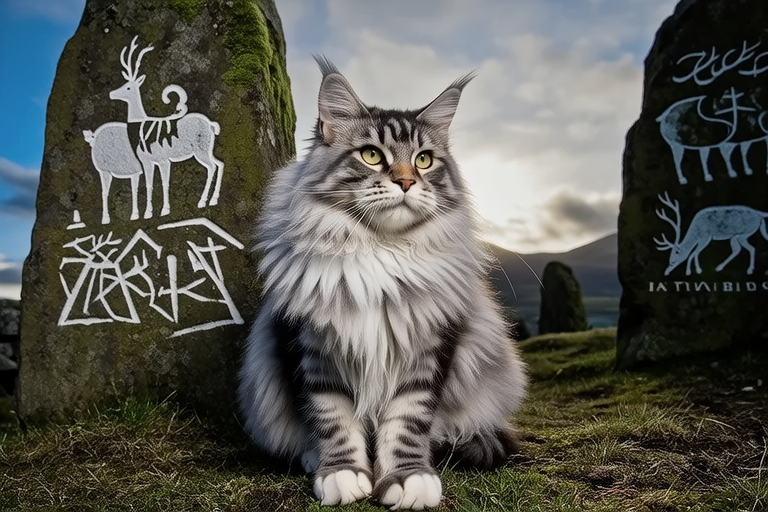
The Norwegian Forest Cat, a breed native to Norway, became increasingly popular during this period. Known for its thick fur and ability to thrive in cold climates, the Norwegian Forest Cat was often kept on farms and in households. Historical texts from the time describe the cat’s agility and intelligence, making it an ideal companion for farmers and fishermen.
Geographical and climatic conditions continued to influence the types of animals kept as pets. The rugged terrain and long, dark winters made it difficult to keep many animals outdoors year-round. As a result, pets were often kept indoors, sharing living spaces with their owners. This close proximity fostered strong bonds between humans and their animals, leading to the development of unique cultural practices surrounding pet care.
Modern Era: Changing Attitudes Toward Pets
In the modern era, attitudes toward pets have shifted dramatically. The rise of urbanization and industrialization has led to changes in pet ownership, with many people keeping pets for companionship rather than practical purposes. The introduction of new breeds and the influence of global trends have also contributed to the diversification of pets in Norway.
Today, dogs remain one of the most popular pets in Norway, with breeds like the Norwegian Buhund and Lundehund gaining popularity in recent years. These breeds are known for their loyalty and intelligence, making them ideal companions for active individuals and families. The Norwegian Buhund, in particular, has a rich history dating back to the Viking Age, when it was used for herding and guarding livestock.
Cats continue to be popular pets, with the Norwegian Forest Cat remaining a favorite among cat lovers. The breed’s striking appearance and affectionate nature make it a beloved companion for many Norwegians. Other breeds, such as the Maine Coon and Persian, have also gained popularity in recent years, reflecting the growing diversity of pets in Norway.
The role of pets in daily life has changed significantly since ancient times. While dogs and cats are still valued for their companionship, they are no longer relied upon for hunting or herding. Instead, they provide emotional support and entertainment for their owners. This shift in attitude reflects broader changes in society, with many people now viewing pets as family members rather than tools.
Conclusion
The evolution of pets in Norway is a fascinating story that reflects the changing needs and values of society over time. From the early days of dog domestication to the modern era of companion animals, pets have played an important role in Norwegian culture. Geographical and climatic conditions, cultural practices, and societal changes have all influenced the types of animals kept as pets and the roles they played in daily life.
As we look to the future, it will be interesting to see how technological advancements and changing attitudes toward animal welfare impact pet ownership in Norway. One thing is certain: the bond between humans and their animal companions will continue to evolve, shaping the lives of both for generations to come.
