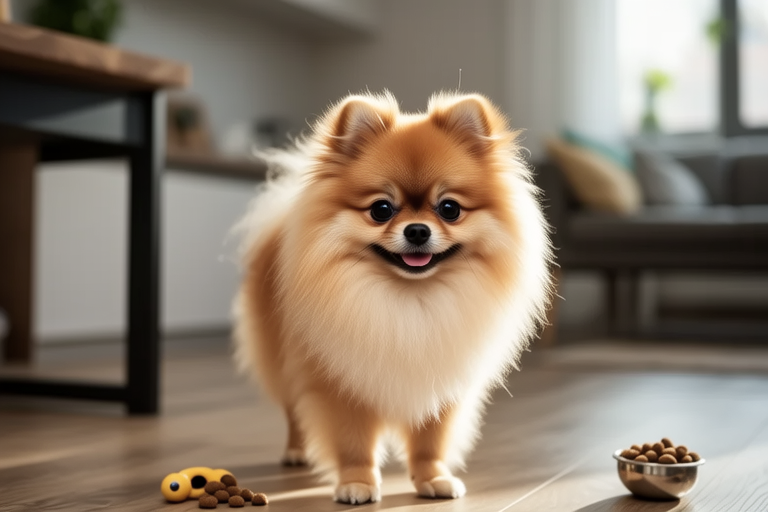
Adorable Alert! Everything You Need to Know About Pomeranians as Pets
Welcome to the delightful world of Pomeranians! These tiny, fluffy bundles of joy have captured the hearts of many pet lovers around the globe. With their charming personalities and striking appearance, it’s no wonder why they are one of the most popular dog breeds today. In this comprehensive guide, we’ll explore everything you need to know about Pomeranians, from their fascinating history to their unique care requirements.
A Brief History of Pomeranians
Pomeranians hail from the region of Pomerania, now part of Poland and Germany. They were originally much larger dogs, used for herding sheep and other livestock. Over time, selective breeding reduced their size, transforming them into the adorable companions we know today. Queen Victoria of England played a significant role in popularizing the breed by bringing a small Pomeranian named Marco back from Italy in the 1880s. Since then, Pomeranians have become a favorite among royalty and commoners alike.
Physical Characteristics
Pomeranians are known for their thick, luxurious coats that come in various colors, including orange, black, cream, and sable. Their double coat consists of a soft undercoat and a longer, more textured outer coat, which gives them their signature fluffy appearance. Despite their small stature, typically weighing between 3 to 7 pounds, Pomeranians possess a robust and well-proportioned body. Their expressive eyes and alert ears add to their irresistible charm.
Temperament: A Delightful Companion
Pomeranians are known for their spirited and vivacious nature. They are often described as curious, playful, and highly intelligent. These traits make them excellent companions for families and individuals looking for an interactive pet. However, their small size can sometimes lead to big personalities, and they may be prone to barking at strangers or other animals. With proper socialization and training, Pomeranians can adapt to various environments and become loving members of any household.
Exercise Needs
While Pomeranians are relatively low-maintenance when it comes to exercise, they still require regular physical activity to maintain their health and happiness. Daily walks, playtime indoors, and interactive toys can help keep them active and engaged. It’s important to note that Pomeranians have a high prey drive, so they should always be supervised during outdoor activities to ensure their safety.
Dietary Requirements
Feeding your Pomeranian a balanced diet is crucial for their overall health. High-quality commercial dog food, specifically formulated for small breeds, is recommended. Consult with your veterinarian to determine the appropriate portion sizes based on your dog’s age, weight, and activity level. Fresh water should always be available to prevent dehydration. Avoid feeding your Pomeranian human food, as some items can be toxic to dogs.
Grooming Tips
Pomeranians have a beautiful but high-maintenance coat that requires regular grooming to keep it in top condition. Brushing your Pomeranian’s coat at least twice a week will help prevent matting and tangling. During shedding seasons, more frequent brushing may be necessary. Additionally, regular nail trimming, ear cleaning, and dental hygiene are essential for maintaining their overall health and appearance. Professional grooming every few months can also help keep their coat looking its best.
Health Concerns
Despite their overall good health, Pomeranians are prone to certain genetic conditions. Common issues include patellar luxation, hypothyroidism, and dental problems. Regular veterinary check-ups, a healthy diet, and proper exercise can help minimize these risks. Early detection and treatment are key to ensuring your Pomeranian lives a long and happy life.
Training Techniques
Training a Pomeranian can be both challenging and rewarding. Their small size and big personality make them highly trainable, but they can also be stubborn if not handled correctly. Positive reinforcement techniques, such as treats and praise, work well with Pomeranians. Consistency is key when teaching basic commands like sit, stay, and come. Socialization from an early age can help your Pomeranian become comfortable around new people and situations.
Common Behaviors
Pomeranians are known for their unique behaviors that can range from amusing to frustrating. For instance, they may exhibit small dog syndrome, where they believe they are in charge of their environment. This behavior can lead to excessive barking, nipping, and jumping. Redirecting their attention with toys or treats can help manage these behaviors. Additionally, Pomeranians may display separation anxiety when left alone for extended periods. Providing them with a safe space and gradually increasing the time spent away can help alleviate this issue.
Choosing the Right Pomeranian
When selecting a Pomeranian, it’s important to consider factors such as temperament, health, and compatibility with your lifestyle. Adopting from a reputable breeder or rescue organization is highly recommended. Reputable breeders prioritize the health and well-being of their dogs, providing detailed health records and genetic testing results. Rescue organizations offer the opportunity to give a second chance to a deserving Pomeranian in need of a loving home.
Integrating Your Pomeranian into the Family
Bringing a Pomeranian into your family is an exciting adventure filled with love and laughter. Creating a welcoming environment for your new furry friend involves setting up a cozy sleeping area, establishing a routine, and introducing them to other pets and children in the household. Patience and consistency are key during this transitional period. With time and effort, your Pomeranian will settle in and become an integral part of your family.
In conclusion, Pomeranians are delightful pets that bring joy and companionship to countless households. By understanding their unique needs and providing proper care, you can ensure a happy and healthy life for your beloved Pomeranian. Whether you’re a seasoned pet owner or considering adding a Pomeranian to your family, this guide offers valuable insights to help you along the way.
