Aquarium Dreams Realized: Showcasing the Magnificence of Arowana
For many aquarium enthusiasts, the dream of owning an exotic and majestic fish culminates with the arowana. Known for their striking appearance and unique behaviors, these freshwater giants have captivated the hearts of hobbyists and collectors alike. This article delves into the world of arowana, exploring their unique characteristics, care requirements, and the historical and cultural significance that has made them a symbol of luxury and prestige.
The Majestic Appearance of Arowana
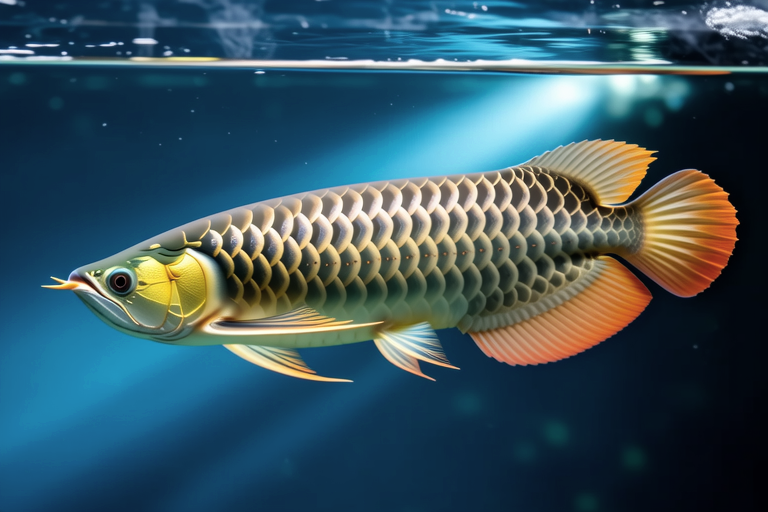
Arowanas are among the most visually stunning fish species. Their elongated bodies, adorned with shimmering scales that seem to catch every ray of light, are reminiscent of ancient sea serpents. The silver arowana, in particular, boasts a metallic sheen that can range from a deep gold to a dazzling platinum, depending on the lighting conditions. These scales are not just beautiful; they also serve as a defense mechanism, protecting the fish from predators by creating a reflective surface that makes it difficult for attackers to see clearly.
Their eyes are another remarkable feature. Large and expressive, they give the arowana an almost human-like gaze that can be both captivating and intimidating. These eyes are well-adapted to their aquatic environment, providing excellent vision both above and below the water’s surface. This adaptation allows them to hunt efficiently, even in low-light conditions.
Historical and Cultural Significance
Arowanas hold a special place in various cultures, particularly in Southeast Asia. In Chinese culture, the arowana is often referred to as the “Dragon Fish,” a name that reflects its regal appearance and the belief that it brings good fortune and prosperity. This association has led to arowanas being highly sought after as pets, especially during festive seasons when people seek to enhance their luck.
Historically, arowanas have been revered for their strength and resilience. They have survived through periods of environmental change, earning them a reputation as hardy survivors. This resilience has contributed to their mystique, making them symbols of longevity and endurance.
Myths and Legends
Mythology surrounding arowanas is rich and varied. One popular legend tells of arowanas that can leap out of the water to catch birds, a feat that seems almost impossible but has been observed in nature. Another myth suggests that arowanas possess healing powers, and touching one can bring health and vitality. While these legends are not scientifically proven, they add an element of mystery and charm to these magnificent creatures.
Care Requirements
Despite their majestic appearance, caring for arowanas requires careful consideration. These fish are not for beginners; they demand a specific set of conditions to thrive. First and foremost, arowanas need a spacious tank. Due to their size and active nature, they require ample swimming space. A tank of at least 300 gallons is recommended for a single adult arowana, though larger tanks are preferable for optimal health.
Water quality is crucial. Arowanas prefer slightly acidic to neutral water with a pH between 6.5 and 7.5. Maintaining stable water parameters is essential, as fluctuations can stress the fish. Regular water changes and efficient filtration systems are necessary to keep the water clean and oxygenated.
Feeding arowanas can be both enjoyable and challenging. They are carnivorous and require a diet rich in protein. Live foods such as feeder fish, earthworms, and insects are preferred, although they can also be fed high-quality pellets designed for large carnivorous fish. It’s important to ensure that the food is appropriate for their size, as overfeeding can lead to health issues.
Setting Up the Ideal Aquarium Environment
Creating an ideal environment for arowanas involves more than just providing a large tank and maintaining water quality. The setup should mimic their natural habitat as closely as possible. This includes incorporating robust plants and rocks to provide hiding spots and create a sense of security. Floating plants can help reduce the intensity of light, which is beneficial for the fish’s comfort.
Temperature control is also vital. Arowanas prefer water temperatures between 78°F and 84°F (25°C to 29°C). Using a reliable heater and thermometer is essential to maintain this range consistently.
Experiences of Aquarists
Many aquarists share stories of their journey with arowanas, highlighting both the challenges and the rewards. John, a seasoned aquarist, recounts his experience with a silver arowana named Dragon. “When I first brought Dragon home, he was shy and cautious,” John says. “It took time for him to adapt to his new environment, but once he did, he became quite the showstopper. Watching him glide through the water with such grace is truly mesmerizing.”
Jane, another enthusiast, emphasizes the importance of patience. “Arowanas can be finicky eaters,” she explains. “Initially, Dragon refused the food I offered. But after some trial and error, I found that live feedings were the key. Now, he’s thriving, and his growth has been impressive.” Jane also notes the importance of community within the hobby. “Joining local aquarium clubs has been invaluable. Sharing tips and experiences with fellow aquarists has greatly enriched my journey.”
Challenges and Rewards
Owning arowanas comes with its share of challenges. Their dietary preferences and the need for a large, well-maintained tank can be daunting for novice aquarists. However, the rewards far outweigh these challenges. Witnessing the transformation of a shy, reserved fish into a confident, vibrant member of your aquarium is deeply satisfying. The bond formed with these intelligent and interactive creatures is unique and enriching.
The arowana’s presence in your aquarium can elevate it from a mere collection of fish to a true centerpiece, a testament to your dedication and passion for the hobby. Their ability to captivate and inspire makes them a dream come true for many aquarium enthusiasts.
Conclusion
Arowanas are more than just fish; they are living works of art that bring joy and wonder to those lucky enough to own them. Their unique characteristics, coupled with their historical and cultural significance, make them a fascinating subject for study and admiration. By understanding their needs and providing the right environment, aquarists can realize their dreams of owning these magnificent creatures. Whether you’re a novice or an experienced enthusiast, the journey of keeping arowanas promises to be an enriching and rewarding experience.
