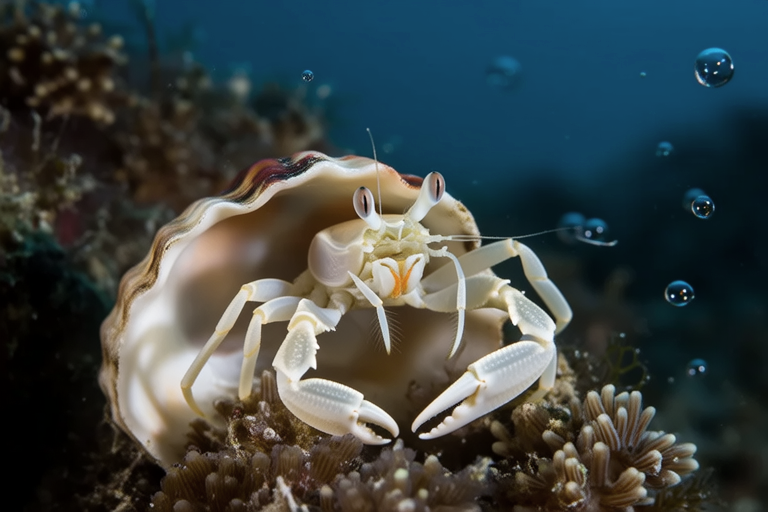
The Hidden World of Pea Crabs: Exploring Their Unique Role in Marine Ecosystems
Pea crabs, despite their small size, play a significant role in marine ecosystems. These tiny crustaceans, named for their resemblance to a pea, have evolved remarkable adaptations that allow them to thrive in challenging environments. Their symbiotic relationships with various marine organisms, particularly barnacles and anemones, are fascinating. Understanding their role in maintaining ecological balance, their life cycle, habitat preferences, and the challenges they face provides valuable insights into marine biology.
Unique Adaptations
Pea crabs have developed several unique adaptations that enable them to survive and thrive in their marine habitats. One of their most notable features is their small size, which allows them to fit comfortably inside the shells of their hosts. This adaptation not only protects them from predators but also provides a stable environment rich in nutrients. Their flattened bodies help them maneuver through narrow spaces, and their ability to breathe through gills ensures they can extract oxygen from the water efficiently. Additionally, pea crabs have specialized appendages that aid in grasping onto their hosts, ensuring they remain securely attached during movement.
Symbiotic Relationships
Pea crabs form symbiotic relationships with various marine organisms, including barnacles and anemones. These partnerships benefit both parties involved. For example, pea crabs often reside within the shells of barnacles, where they are protected from predators and provided with a steady supply of food. In return, the pea crabs consume some of the barnacle’s food, helping to regulate the host’s diet. Similarly, pea crabs may live within the tentacles of anemones, where they are shielded from threats and fed by the anemone’s stinging cells. The pea crabs, in turn, provide a source of nitrogen to the anemone through their waste products.
Maintaining Ecological Balance
Pea crabs play a crucial role in maintaining ecological balance within marine ecosystems. By controlling the population of certain organisms, they prevent overgrazing and ensure the health of their habitats. For instance, pea crabs that feed on algae help prevent algal blooms, which can be detrimental to other marine life. Additionally, their presence in the ecosystem contributes to nutrient cycling, as they break down organic matter and release essential nutrients back into the environment. This process supports the growth of other organisms and maintains the overall health of the ecosystem.
Life Cycle
The life cycle of pea crabs is fascinating and complex. After mating, female pea crabs carry fertilized eggs under their abdomens until they hatch. The larvae then enter the planktonic stage, drifting with ocean currents before settling on a suitable host. Once attached, the larvae undergo metamorphosis, developing into adult pea crabs. Throughout this process, the host organism provides protection and nutrition, ensuring the survival of the pea crab. This intricate life cycle highlights the importance of maintaining healthy marine ecosystems to support the survival of these tiny crustaceans.
Habitat Preferences
Pea crabs prefer specific habitats within marine ecosystems, such as rocky shores, coral reefs, and seagrass beds. These areas offer ample opportunities for finding suitable hosts and accessing food sources. Rocky shores provide numerous crevices and shelters, while coral reefs and seagrass beds offer diverse ecosystems teeming with potential hosts and prey. The preference for these habitats underscores the importance of preserving these environments to ensure the continued existence of pea crabs and the broader marine ecosystem.
Facing Challenges
Despite their adaptability, pea crabs face several challenges that threaten their survival. Climate change, pollution, and habitat destruction are among the most pressing issues. Rising sea temperatures and ocean acidification can disrupt the delicate balance of marine ecosystems, affecting the availability of suitable hosts and altering food sources. Pollution, particularly plastic debris and chemical runoff, poses direct threats to pea crabs and their hosts. Habitat destruction, caused by coastal development and destructive fishing practices, further reduces the available space for pea crabs to thrive. Addressing these challenges requires concerted efforts to protect and restore marine habitats and promote sustainable practices.
Importance in Scientific Research
Pea crabs are of great interest to scientists studying marine biology and ecology. Their unique adaptations and symbiotic relationships provide valuable insights into the evolution of species and the mechanisms that drive ecological interactions. Researchers can learn about the effects of environmental changes on marine ecosystems by studying how pea crabs respond to shifts in temperature, pH levels, and food availability. Additionally, the role of pea crabs in nutrient cycling and maintaining ecological balance offers opportunities to develop strategies for conserving and restoring marine habitats. By understanding the challenges faced by pea crabs, scientists can contribute to the preservation of these tiny yet vital creatures and the broader marine ecosystem.
Conclusion
The hidden world of pea crabs reveals a fascinating array of adaptations, symbiotic relationships, and ecological roles that underscore their importance in marine ecosystems. From their small size and flattened bodies to their intricate life cycles and preferred habitats, pea crabs have evolved to thrive in challenging environments. Their symbiotic relationships with barnacles and anemones highlight the interconnectedness of marine life, while their role in maintaining ecological balance demonstrates their significance. However, pea crabs face numerous challenges that threaten their survival, emphasizing the need for conservation efforts and sustainable practices. By continuing to study and protect these tiny crustaceans, we can ensure the health and resilience of marine ecosystems for future generations.
