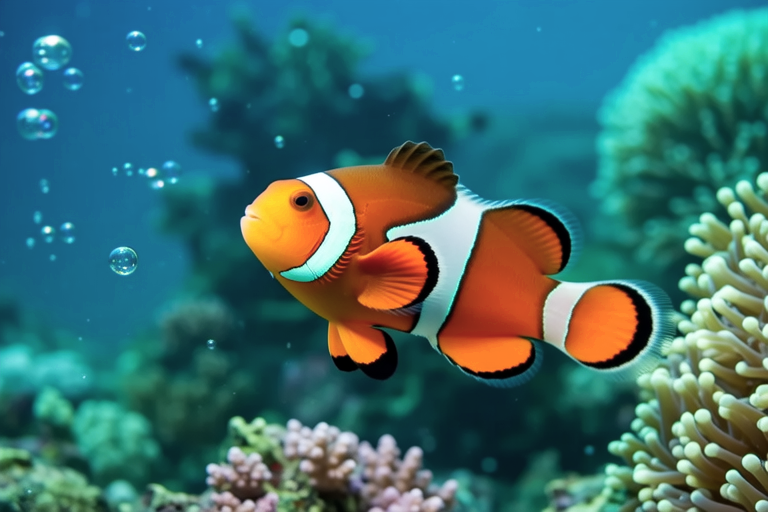
How to Care for Your Clownfish Like a Pro: A Complete Guide
Welcome to your comprehensive guide on caring for clownfish. Whether you’re a beginner or an experienced aquarist, this guide will provide you with essential tips and detailed advice to ensure your clownfish thrive in their new home. We’ll cover topics such as suitable tank setup, water parameters, diet, common diseases, compatible tank mates, and breeding techniques.
Choosing the Right Tank Setup
The first step in caring for your clownfish is setting up the right tank environment. Clownfish are native to tropical waters and need a warm, stable environment to live comfortably.
- Tank Size: A minimum of 20 gallons (75 liters) is recommended for a single clownfish. If you plan to keep multiple clownfish or other fish, a larger tank is necessary.
- Filtration System: Choose a high-quality filtration system that can handle the size of your tank. This will help maintain clean and healthy water conditions.
- Heater: Clownfish require a temperature range of 74°F to 82°F (23°C to 28°C). Use a reliable heater to maintain this temperature.
- Air Pump: An air pump helps oxygenate the water, which is crucial for the health of your fish.
- Decorations: Clownfish like to have hiding spots. Incorporate rocks, caves, and live or artificial corals into your tank setup.
- Lighting: Provide at least 8 hours of light per day to mimic their natural habitat. Avoid excessively bright lights, as they can stress the fish.
Maintaining Proper Water Parameters
Water quality is crucial for the health and longevity of your clownfish. Regular testing and maintenance are necessary to ensure optimal conditions.
- Water Temperature: Maintain a steady temperature between 74°F and 82°F (23°C and 28°C).
- pH Levels: Keep the pH level between 8.1 and 8.4. Regularly test the pH to ensure it stays within this range.
- Ammonia and Nitrite: Both ammonia and nitrite levels should be zero. Test these levels weekly, especially during the cycling process of your tank.
- Nitrate: Aim for nitrate levels below 20 ppm. Perform regular water changes to keep nitrates low.
- Salinity: For saltwater tanks, the specific gravity should be between 1.020 and 1.025. Test salinity weekly.
Feeding Your Clownfish
Clownfish are omnivores, meaning they eat both plant and animal matter. A balanced diet is key to keeping them healthy and vibrant.
- Flake Food: High-quality flake food is a good staple for clownfish. Feed them once or twice daily.
- Freeze-Dried or Frozen Foods: Supplement their diet with freeze-dried or frozen foods like brine shrimp, bloodworms, and mysis shrimp.
- Variety: Offer a variety of foods to ensure they receive all necessary nutrients. Rotate their diet to prevent boredom.
- Feeding Amount: Feed only what they can consume within a few minutes. Overfeeding can lead to poor water quality and health issues.
Common Diseases and Health Issues
Despite proper care, clownfish can still develop health problems. Recognizing symptoms early is crucial for effective treatment.
- Ich: Ich is a common parasitic infection that appears as white spots on the fish’s body. Treat with medications specifically designed for ich.
- Bloat: Bloating can result from overfeeding or bacterial infections. Reduce feeding and consult a veterinarian if the condition persists.
- Fin Rot: Fungal or bacterial infections can cause fin rot, leading to frayed or disintegrating fins. Use antibiotics or antifungals as directed by a vet.
- Marine Velvet: Marine velvet appears as a dusty coating on the fish. It’s caused by parasites and requires specific treatments.
Preventative measures include maintaining excellent water quality, quarantining new fish before introducing them to the main tank, and regularly monitoring your fish for any signs of illness.
Selecting Compatible Tank Mates
Choosing the right tank mates is important for the well-being of your clownfish. Some fish are compatible, while others may cause stress or aggression.
- Peaceful Fish: Clownfish generally get along well with other peaceful fish, such as damsels, gobies, and wrasses. However, avoid overly aggressive species.
- Size Matters: Larger fish can intimidate or eat smaller clownfish. Stick to fish of similar size or slightly smaller than your clownfish.
- Behavioral Compatibility: Clownfish are territorial and may become aggressive towards other clownfish. If housing multiple clownfish, provide ample space and hiding spots.
- Compatible Species: Some popular choices for clownfish tank mates include yellow tangs, blue-green chromis, and cardinalfish.
Breeding Techniques
Breeding clownfish can be a rewarding experience. Understanding their mating habits and providing the right conditions can increase your chances of success.
- Pair Formation: Clownfish form monogamous pairs in the wild. In captivity, select a male and female pair for breeding. Allow them to establish territory and bond before attempting to breed.
- Nest Preparation: Provide a suitable nest site, such as a rock or cave. The male will clean and prepare the area for spawning.
- Egg Laying: Once the pair is ready, the female will lay eggs on the prepared surface. The male will then fertilize the eggs.
- Incubation: Monitor the eggs closely. They typically hatch after about 6-10 days. Remove the parents after hatching to prevent them from eating the fry.
- Fry Care: Feed the fry infusoria or newly hatched brine shrimp. Keep the water clean and well-oxygenated for optimal growth.
Conclusion
Caring for clownfish requires attention to detail and dedication. By following the guidelines outlined in this comprehensive guide, you can create a thriving environment for your clownfish. Remember, every fish is unique, so observe their behavior and adjust care accordingly. With patience and proper care, your clownfish will bring joy and beauty to your aquarium for years to come.
