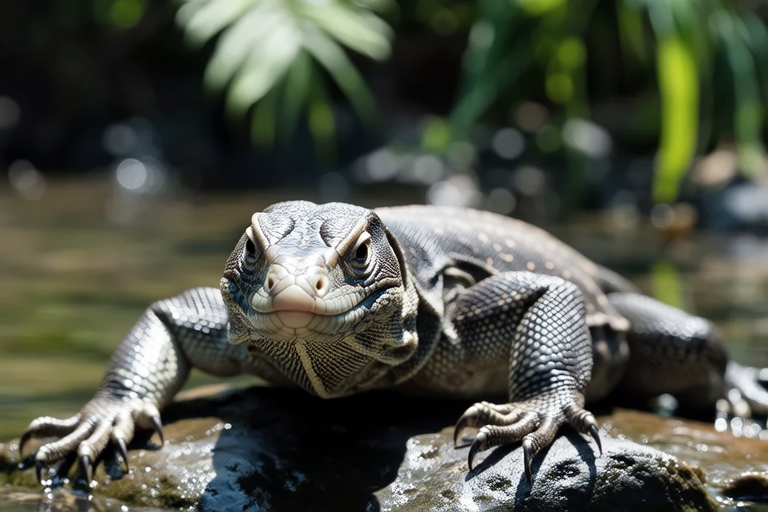
Pet Enthusiast Alert: What Every Future Owner Needs to Know About Water Monitors
Welcome, pet enthusiasts! If you’re considering adding a water monitor (Varanus salvator) to your family, you’re about to embark on an extraordinary journey. These reptiles are fascinating creatures with unique characteristics that set them apart from more conventional pets. This comprehensive guide will walk you through everything you need to know about water monitors, from their natural habitat to the responsibilities of ownership.
Natural Habitat
Water monitors are native to Southeast Asia, where they thrive in diverse environments ranging from tropical rainforests to coastal mangroves. They are semi-aquatic animals, meaning they spend time both in and out of water. In the wild, they are highly adaptable and can be found near rivers, lakes, and swamps. Understanding their natural habitat is crucial for replicating it in captivity, ensuring your monitor remains healthy and happy.
Dietary Needs
Water monitors are carnivorous and have a varied diet in the wild. Their menu includes fish, amphibians, small mammals, birds, insects, and even carrion. In captivity, their diet should mimic this diversity to ensure they receive all necessary nutrients. A balanced diet for a captive water monitor might include rodents, feeder fish, insects, and occasional eggs. It’s important to offer a variety of prey items to prevent nutritional deficiencies and promote overall health.
Growth Potential
Water monitors are among the largest lizards in the world, capable of reaching impressive sizes. While females typically grow to around 4 to 6 feet in length, males can reach up to 9 feet or more. Their growth rate is rapid during their juvenile stages, slowing down as they mature. Proper nutrition and care are essential to support healthy growth, but it’s important to note that these lizards will continue to grow throughout their lives, albeit at a slower pace once they reach adulthood.
Behavioral Traits
Water monitors are intelligent and curious animals. They are known for their alertness and active nature, often exploring their surroundings with great interest. While they can be docile when handled regularly, they are not recommended for beginners due to their strength and potential unpredictability. Regular interaction and socialization can help build trust, but owners must always approach with caution and respect their boundaries.
Housing Requirements
Providing an appropriate enclosure is critical for the well-being of your water monitor. The size of the enclosure should be proportional to the size of the lizard, allowing ample space for swimming, climbing, and basking. A minimum enclosure size for a young water monitor is 6 feet long, 3 feet wide, and 4 feet high, with these dimensions increasing as the monitor grows. The enclosure should include a large water area for swimming, a dry area for basking, and plenty of climbing structures like branches and rocks.
The temperature gradient within the enclosure is also vital. Water monitors require a basking spot that reaches 95 to 100 degrees Fahrenheit, while the cooler end of the enclosure should be around 80 to 85 degrees Fahrenheit. UVB lighting is essential for calcium metabolism and should be provided for 10 to 12 hours per day. Humidity levels should be maintained between 60% and 80% to replicate their natural environment.
Responsibilities of Ownership
Owning a water monitor comes with significant responsibilities. Unlike smaller, more manageable pets, water monitors require extensive care and attention. Regular veterinary check-ups, proper feeding, and maintaining a clean and stimulating environment are just a few of the tasks involved. Additionally, water monitors can live for 10 to 20 years or more, so prospective owners must be prepared for a long-term commitment.
It’s important to research local laws and regulations regarding exotic pets before bringing home a water monitor. Some regions may have restrictions or require permits for certain species. Responsible ownership also involves being aware of the environmental impact of keeping exotic pets. Many species, including water monitors, face threats in the wild, and responsible breeding practices can help reduce pressure on wild populations.
Differences Between Owning a Water Monitor and Common Pets
Owning a water monitor is vastly different from owning more common pets like dogs, cats, or even other reptiles such as bearded dragons or leopard geckos. Water monitors are larger, more powerful, and require specialized care. Their enclosure needs are significantly more complex, and their dietary requirements are more varied. Furthermore, they demand a higher level of commitment in terms of time and resources.
Unlike dogs and cats, which can provide companionship and affection, water monitors are not typically kept as traditional pets. Instead, they are often appreciated for their unique appearance and behavior. Owners should focus on providing a stimulating and enriching environment rather than expecting the same level of interaction and bonding as with more conventional pets.
Tips for New Owners
If you’ve decided to take the plunge and bring a water monitor into your home, here are some tips to ensure a smooth transition:
- Research thoroughly: Before making any decisions, learn as much as possible about water monitors, including their care requirements, legal considerations, and potential challenges.
- Prepare the enclosure: Set up a suitable habitat well in advance of bringing your new pet home. Ensure all equipment is functioning correctly and the environment is safe and comfortable.
- Handle with care: Water monitors are strong and can be unpredictable. Always handle them with care, and consider wearing protective gear if necessary.
- Establish a routine: Consistency is key in caring for any pet. Establish a regular feeding schedule, cleaning routine, and handling time to help your monitor feel secure and comfortable.
- Seek expert advice: Don’t hesitate to consult with experienced breeders, veterinarians, or other water monitor owners for guidance and support.
Owning a water monitor is an exciting and rewarding experience for those willing to commit to the challenge. By understanding their needs and providing the right care, you can enjoy a long and fulfilling relationship with one of nature’s most remarkable creatures.
