Unraveling the Unique Appeal of the Devon Rex: A Feline Enigma
The Devon Rex is a breed of cat known for its unique appearance and charming personality. With their signature curly coats, large ears, and playful demeanor, these cats have captured the hearts of many cat lovers around the world. This article will delve into the distinct physical traits, temperament, and historical background of the Devon Rex, highlighting what makes them such a special breed.
Physical Traits: An Enigmatic Appearance
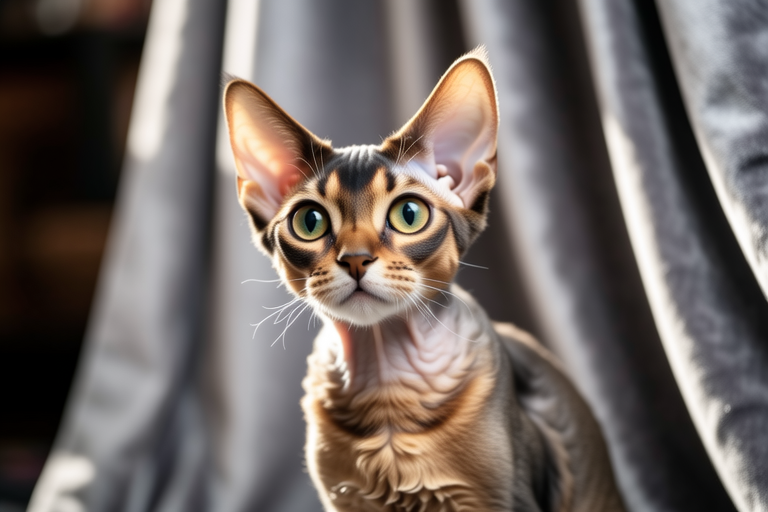
The Devon Rex is easily recognizable by its curly coat, which is one of the most striking features of this breed. Unlike other curly-coated breeds, the curls of the Devon Rex are tighter and closer to the skin, giving them a unique texture that is soft to the touch. Their coat is often compared to that of a pixie or elf, lending to their whimsical appearance.
In addition to their curly fur, Devon Rexes possess large, expressive ears that are set low on their heads. These ears, combined with their wide-set eyes, give them an almost mischievous look. Their small, fine-boned bodies are complemented by long, slender legs, adding to their graceful and elegant appearance.
One of the most distinctive aspects of the Devon Rex is their lack of a downy undercoat. This means that while they are still considered a shorthair breed, they have fewer layers of fur than most other cat breeds. This can lead to less shedding, making them a good choice for those who are sensitive to allergens.
Temperament: Playful and Interactive
Beyond their striking appearance, Devon Rexes are known for their playful and interactive personalities. They are often described as being highly intelligent and curious, always seeking out new experiences and challenges. This breed loves to play, and their favorite activities include chasing toys, playing fetch, and exploring their surroundings.
Devon Rexes are also very social animals, and they thrive on human interaction. They enjoy being around people and are often found following their owners from room to room, offering companionship and affection. Their playful nature and desire for attention make them excellent pets for families and individuals alike.
Despite their playful demeanor, Devon Rexes are also known for their gentle and affectionate nature. They are often described as being “dog-like” in their behavior, as they are loyal to their owners and enjoy being part of the family. Their intelligence and curiosity mean that they are quick learners and can be trained to perform tricks or respond to commands.
Historical Background: From Mutation to Breed
The history of the Devon Rex breed dates back to the mid-20th century. The first Devon Rex was discovered in England in 1960 by a woman named Beryl Cox. She found a curly-coated cat lounging in a garden in Devon, England, and brought it home. This cat, named Kirlee, was the foundation of the Devon Rex breed.
Kirlee’s offspring were also born with the same curly coat, and further breeding led to the development of the Devon Rex breed. It wasn’t long before the breed gained popularity, and today, Devon Rexes are recognized by various cat registries around the world.
The breed’s name, “Devon Rex,” comes from the place where the first cat was found (Devon) and the term “Rex,” which is used to denote any animal with a recessive gene for a unique trait, in this case, curly fur.
Ideal Living Conditions: Providing the Right Environment
Devon Rexes are active and playful cats that require plenty of stimulation and interaction. To provide the best living conditions for a Devon Rex, it is important to create an environment that encourages play and exploration. This can include providing a variety of toys, scratching posts, and climbing structures.
Due to their high activity levels, Devon Rexes may not be the best choice for households where they will be left alone for long periods. They thrive on human interaction and companionship, so it is important to ensure that they have enough attention and engagement throughout the day.
Another consideration for potential Devon Rex owners is the breed’s sensitivity to cold temperatures. Because of their lack of a downy undercoat, Devon Rexes can feel the cold more acutely than other breeds. Providing warm bedding and ensuring that their living space is comfortable and cozy can help mitigate this issue.
Common Health Concerns: Maintaining Optimal Wellness
While Devon Rexes are generally healthy cats, there are some health concerns that owners should be aware of. One of the most common issues is ear infections, which can occur due to the breed’s large, floppy ears. Regular cleaning and monitoring of the ears can help prevent infections and keep them healthy.
Another concern for Devon Rexes is patellar luxation, a condition where the kneecap dislocates. This can cause discomfort and mobility issues, so it is important to monitor the cat’s movement and seek veterinary care if any abnormalities are noticed.
Like all cats, Devon Rexes should receive regular check-ups and vaccinations to ensure their overall health and well-being. Providing a balanced diet and maintaining a healthy weight can also contribute to their longevity and quality of life.
Conclusion: A Special Breed with a Unique Charm
The Devon Rex is a breed of cat that stands out for its distinctive physical traits, playful temperament, and rich history. With their curly coats, large ears, and intelligent personalities, these cats offer a unique charm that has captivated cat lovers for decades. Whether you’re looking for a playful companion or a loyal friend, the Devon Rex is sure to bring joy and entertainment into your home.
By understanding the breed’s needs and providing the right environment, you can ensure that your Devon Rex lives a happy and healthy life. With their interactive nature and affectionate personalities, these cats are truly a special breed that deserves a loving home.
