Bengal Cats: The Secret Behind Their Striking Appearance and Behavior
Introduction
Bengal cats have captivated the hearts of cat lovers around the world with their striking appearance and unique behavior. These felines are a testament to the ingenuity of selective breeding, resulting in a breed that combines the elegance of domestic cats with the exotic allure of their wild ancestor, the Asian leopard cat. This article delves into the origins, genetics, physical attributes, behavior, care requirements, and the special bond between Bengal cats and their owners.
The Origin of Bengal Cats
The story of the Bengal cat begins in the early 20th century when breeders sought to create a domesticated version of the wild Asian leopard cat. These small, elusive creatures, native to Southeast Asia, possess a sleek physique and striking coat patterns that have inspired admiration and curiosity. Through careful crossbreeding with domestic shorthair cats, the Bengal cat emerged as a distinct breed recognized for its beauty and temperament.
It is important to note that while Bengal cats carry the genes of their wild ancestors, they are entirely domesticated. They inherit not only the physical traits but also some behavioral tendencies from the Asian leopard cat, making them a fascinating blend of wild and tame.
The Genetics Behind Their Distinctive Coats
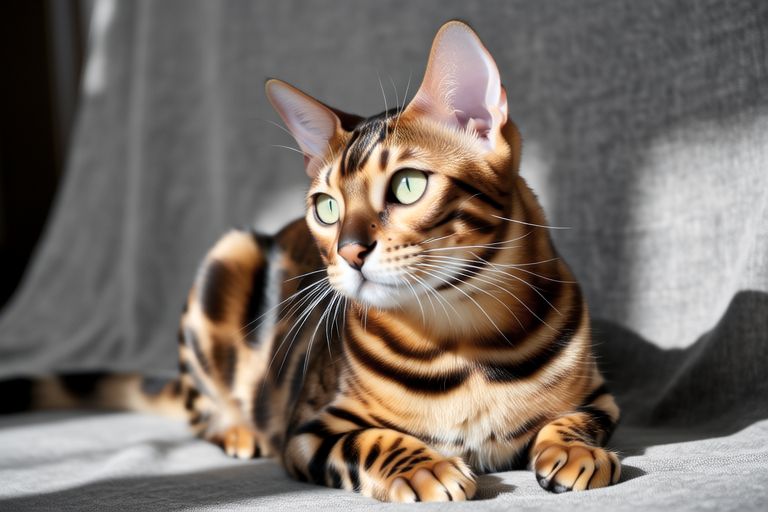
The Bengal cat’s most striking feature is undoubtedly its coat, which comes in two primary patterns: spotted and marbled. These patterns are the result of specific genetic mutations that occurred during the breeding process. The spotted pattern resembles the rosettes found on leopards, while the marbled pattern features swirling, cloud-like markings that give the coat a mesmerizing, almost hypnotic appearance.
The gene responsible for these patterns is known as the dominant white spotting gene (W). When this gene is present, it disrupts the normal pigmentation of the fur, creating the characteristic spots or swirls. Another crucial gene involved in the Bengal’s coat is the agouti gene (A), which determines whether the coat will be banded (as seen in the wild) or solid-colored. In Bengals, the agouti gene allows for the expression of the spotted or marbled patterns.
Physical Characteristics
Bengal cats are medium to large-sized cats with a muscular build and a graceful, athletic stance. Their heads are slightly rounded, with a broad forehead and pronounced whisker pads. Their eyes are almond-shaped and often green or gold, adding to their exotic appearance. One of the most distinctive features of Bengal cats is their luxurious, short, and tightly lying coat, which feels like satin to the touch.
When compared to other domestic breeds, Bengal cats stand out due to their high level of activity and energy. They are agile climbers and excellent jumpers, often reaching great heights in pursuit of play or exploration. Their strong hind legs enable them to leap with remarkable precision, making them skilled hunters and playful companions.
Behavior and Personality
Bengal cats are known for their active, playful nature. They are curious and love to explore their environment, often engaging in interactive play with their owners. This breed thrives on mental and physical stimulation, requiring plenty of toys and activities to keep them entertained. Bengal cats are also highly intelligent, capable of learning tricks and responding well to positive reinforcement training.
One of the most intriguing aspects of Bengal cat behavior is their affinity for water. Unlike many other cat breeds that avoid water at all costs, Bengal cats often enjoy playing with water and may even swim. This trait is thought to be inherited from their wild ancestors, who are adept swimmers and use water as a means of hunting and cooling off.
Caring for Bengal Cats
Proper care is essential to ensure that Bengal cats thrive and remain healthy throughout their lives. This section will cover their dietary needs, exercise requirements, and social interaction preferences.
Dietary Needs
Bengal cats require a balanced diet rich in proteins, fats, and essential nutrients. High-quality commercial cat foods formulated for indoor cats or active breeds are generally suitable. However, it is advisable to consult with a veterinarian to determine the best diet based on your cat’s age, weight, and overall health. Some Bengal cats may benefit from a raw food diet, but this should only be pursued under professional guidance.
Exercise Requirements
Bengal cats are highly energetic and need ample opportunities for physical activity. Providing a variety of toys, such as puzzle feeders, laser pointers, and interactive toys, can help keep them engaged and mentally stimulated. Climbing trees, scratching posts, and window perches also provide outlets for their natural climbing instincts. Regular play sessions with their owners are vital for maintaining their physical and emotional well-being.
Social Interaction Preferences
Bengal cats are social animals that enjoy the company of their owners and other pets. They are known to form strong bonds with their human families and often seek out attention and affection. While they can be independent, Bengal cats tend to thrive in households where they receive consistent interaction and care. Introducing them to other pets gradually can help foster harmonious relationships within the home.
The Unique Bond Between Bengal Cats and Their Owners
The relationship between Bengal cats and their owners is often described as one of deep affection and mutual respect. Many owners report that their Bengal cats exhibit behaviors that demonstrate a strong attachment to them, such as following them around the house or seeking out their presence during times of stress or illness.
Scientific studies have shown that the bond between cats and their owners can have significant benefits for both parties. Research indicates that owning a pet can reduce stress levels, lower blood pressure, and improve overall mental health. For Bengal cat owners, the unique combination of intelligence, playfulness, and affection makes them particularly rewarding companions.
Expert opinions also support the idea that Bengal cats are especially attuned to their owners’ emotions. Their ability to sense changes in mood and respond accordingly can create a strong emotional connection between owner and pet. This heightened sensitivity may be linked to their wild ancestry, where survival depended on keen awareness of environmental cues.
In conclusion, Bengal cats are a captivating breed that combines the beauty of their wild ancestors with the companionship of domesticated cats. Their striking appearance, playful nature, and strong bonds with their owners make them a cherished addition to many households. By understanding their unique needs and providing proper care, Bengal cat owners can enjoy a fulfilling and enriching relationship with these extraordinary felines.
