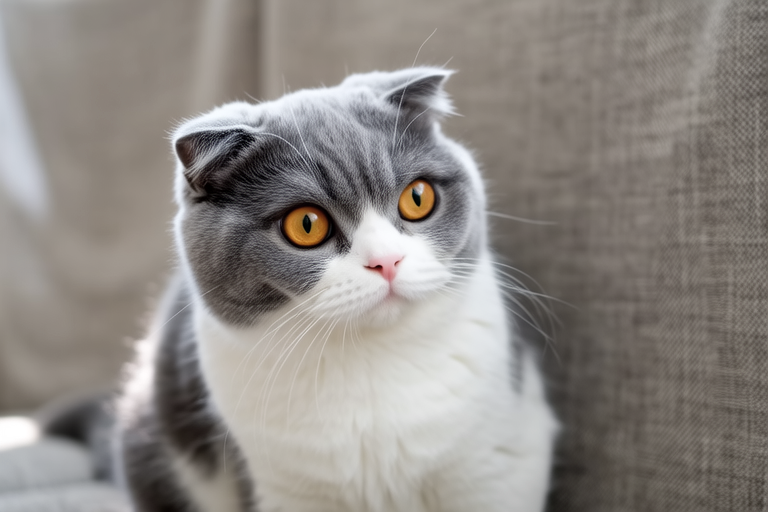
Scottish Fold Cats: A Comprehensive Guide
The Scottish Fold is a breed of cat that has captured the hearts of many pet lovers due to its distinctive folded ears and fluffy appearance. Known for their sweet and gentle nature, these cats have become increasingly popular over the years. In this guide, we will explore the physical characteristics, temperament, intelligence, health, and care requirements of Scottish Fold cats. We will also delve into their history and origin, providing you with all the information you need to decide if a Scottish Fold is the right pet for your family.
Physical Characteristics
Scottish Fold cats are medium-sized cats with a robust and rounded body. Their most distinctive feature is their folded ears, which are caused by a genetic mutation. The cartilage in their ears folds forward and downward, giving them a unique appearance. Not all kittens born to Scottish Fold parents will have folded ears; some may have straight ears, while others may develop folded ears as they grow older.
In addition to their folded ears, Scottish Folds have a plush, medium-length coat that comes in a variety of colors and patterns. Their coat can be short or long, depending on the individual cat. The short-haired variety has a dense, plush coat, while the long-haired variety has a luxurious, flowing coat. Both varieties have a soft, silky texture that is easy to maintain. The coat color of Scottish Folds can range from solid colors like black, white, and blue to more complex patterns such as tabby, tortoiseshell, and calico.
Temperament and Intelligence
Scottish Fold cats are known for their friendly and affectionate nature. They are social animals that enjoy spending time with their owners and other pets in the household. They are intelligent and curious, often engaging in interactive play with their owners. They are also relatively calm and laid-back, making them suitable for families with children and other pets.
Despite their playful nature, Scottish Folds are not overly active cats. They tend to be more content lounging around the house, following their owners from room to room, and napping in sunny spots. They are generally good-natured and patient, which makes them great companions for people who want a low-maintenance pet.
Health and Common Issues
Scottish Fold cats are generally healthy cats, but they are prone to certain health issues due to their genetic makeup. One of the most common health problems associated with Scottish Folds is osteochondrodysplasia, a condition that affects the development of their bones and joints. This condition can lead to arthritis and other joint-related issues, particularly in their legs and tail. It is important to note that not all Scottish Folds will develop these issues, but it is something to be aware of when considering adopting one.
Another concern for Scottish Fold owners is the potential for ear infections due to their folded ears. These cats are susceptible to wax buildup and debris in their ears, which can lead to infections if not properly cared for. Regular cleaning and monitoring of their ears are essential to maintaining their overall health.
Scottish Folds typically live between 11 and 14 years, although some may live longer with proper care and attention to their health needs. Providing a balanced diet, regular exercise, and routine veterinary check-ups can help ensure that your Scottish Fold lives a long and healthy life.
Care, Grooming, and Training
When caring for a Scottish Fold, it is important to provide them with a comfortable and stimulating environment. They enjoy having access to high perches, scratching posts, and toys that allow them to engage in play. Regular interaction with their owners is also crucial for their mental and emotional well-being.
Grooming is an important part of caring for a Scottish Fold. Their thick, plush coats require regular brushing to prevent matting and tangles. Brushing your cat at least once a week can help remove loose fur and distribute natural oils throughout their coat. Long-haired Scottish Folds may require more frequent brushing to keep their coats looking their best. Additionally, it is important to clean their ears regularly to prevent infections. Use a soft cloth or cotton ball dampened with a veterinarian-approved ear cleaner to gently wipe away any debris or wax buildup.
Training a Scottish Fold can be a rewarding experience. While they are generally well-behaved and easy to train, they respond best to positive reinforcement techniques. Rewarding your cat with treats and praise for good behavior can encourage them to repeat the desired actions. Consistency is key when training your cat, so be patient and persistent in your efforts.
History and Origin
The Scottish Fold originated in Scotland in the early 1960s. The first known Scottish Fold was a barn cat named Susie, who lived near a farm in Perthshire, Scotland. Susie had naturally folded ears, and her offspring inherited the trait. A local farmer, William Ross, became interested in Susie’s unique appearance and began breeding her offspring with other cats to preserve the folded ear gene.
The breed was officially recognized by the Cat Fanciers’ Association (CFA) in 1978. However, due to concerns about the genetic health issues associated with the folded ear gene, the CFA suspended recognition of the breed in 1978. The breed was later reinstated in 1991, but with strict breeding guidelines to minimize the risk of health problems. Today, Scottish Folds are recognized by many cat registries worldwide and continue to be a popular choice for cat lovers.
Choosing a Scottish Fold and Integrating Them into Your Family
When choosing a Scottish Fold, it is important to consider the breeder’s reputation and the health of the litter. Look for a reputable breeder who follows ethical breeding practices and provides health guarantees for their kittens. Ask to see the parents of the kittens and inquire about any health issues they may have. It is also important to spend time with the kittens to get a sense of their personalities and choose one that fits well with your lifestyle and family.
Once you bring your new Scottish Fold home, it is important to take steps to integrate them into your family. Provide them with a safe and comfortable space where they can adjust to their new surroundings. Gradually introduce them to other pets and family members, allowing them time to acclimate to their new environment. Be patient and understanding during this transition period, as it can take time for your new cat to feel at home.
Overall, Scottish Fold cats are a wonderful choice for families looking for a loving and affectionate companion. With their distinctive folded ears and fluffy appearance, they are sure to capture the hearts of anyone who meets them. By providing proper care, grooming, and training, you can ensure that your Scottish Fold lives a long and happy life with your family.
