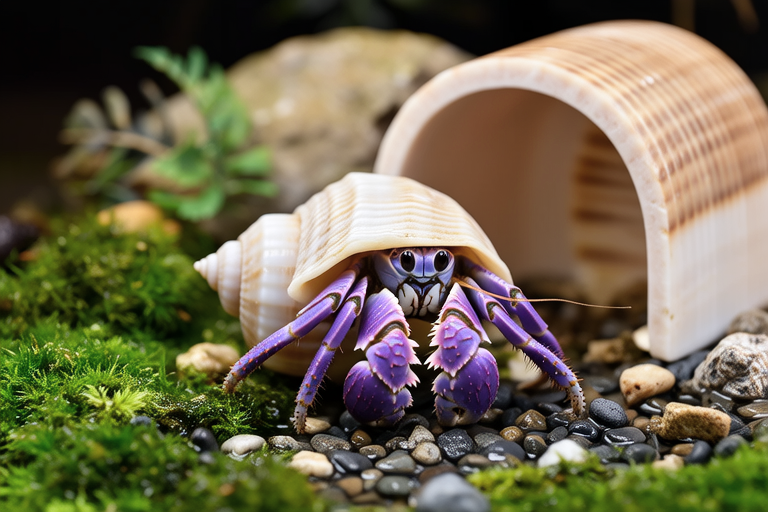
How to Make Your Hermit Crab Feel Right at Home
Welcome to the wonderful world of hermit crabs! These fascinating creatures are becoming increasingly popular as pets due to their unique characteristics and relatively low maintenance. However, just like any other pet, they have specific needs that must be met to ensure they thrive in their new home. This guide will walk you through everything you need to know about creating the perfect environment for your hermit crab, from setting up its habitat to maintaining its health and happiness.
Introduction to Hermit Crab Needs
Hermit crabs are not true crabs but rather crustaceans that live inside discarded mollusk shells. They are nocturnal animals, meaning they are most active during the night. In the wild, hermit crabs live in tropical coastal areas, where they enjoy high humidity levels and moderate temperatures. Understanding these natural conditions is crucial when setting up their enclosure at home.
Appropriate Habitat Setup (Humidity, Temperature, Substrate)
The first step in creating a comfortable living space for your hermit crab is ensuring proper humidity and temperature. The ideal humidity level for hermit crabs ranges between 70% and 80%, while the optimal temperature should stay between 75°F and 85°F (24°C to 29°C). To achieve this, you can use a hygrometer to measure humidity and a thermometer to monitor temperature within the enclosure.
For substrate, choose a material that retains moisture well, such as coconut fiber or crushed coral. Avoid using sand or gravel, as these materials can cause impaction if ingested by your hermit crab. A layer of substrate approximately two inches deep provides enough room for burrowing and climbing.
Suitable Decorations and Hiding Spots
Decorating your hermit crab’s enclosure not only makes it more visually appealing but also enriches its environment. Provide various types of hiding spots, such as small caves, half-coconut shells, or PVC pipes. These shelters give your hermit crab a sense of security and allow it to retreat when feeling stressed or tired.
In addition to hiding spots, consider adding branches, driftwood, or rocks for climbing and exploration. Just make sure all decorations are securely anchored to prevent tipping over and potential injuries. Natural elements like seashells and coral pieces can serve as both decorative items and additional shelter options.
Diet and Feeding Tips
Hermit crabs are omnivorous, meaning they eat both plant-based and animal-based foods. Their diet should include a variety of fruits, vegetables, proteins, and calcium supplements. Fresh fruits like apples, bananas, and strawberries are excellent choices, while leafy greens such as spinach and kale provide essential nutrients. Protein sources may include boiled eggs, cooked shrimp, or commercial hermit crab food.
Always wash and dry fresh produce thoroughly before offering it to your hermit crab. You can also offer treats like dried seaweed or freeze-dried krill. Ensure there is always access to fresh water, which can be provided in shallow dishes or water bowls designed specifically for hermit crabs.
Maintaining Tank Hygiene
Regular cleaning is vital to maintaining a healthy living environment for your hermit crab. Remove uneaten food promptly to prevent mold growth and bacterial contamination. Clean the enclosure every few weeks, removing old substrate and replacing it with fresh material. Sterilize all decorations and accessories using a mild bleach solution, then rinse thoroughly and allow them to air dry before returning them to the enclosure.
Additionally, check water dishes regularly for cleanliness and refill them with fresh water daily. Pay attention to any signs of illness or distress in your hermit crab, such as lethargy, loss of appetite, or abnormal behavior. Early detection of health issues can significantly improve treatment outcomes.
Common Health Issues and How to Prevent Them
One of the most common health problems faced by hermit crabs is shell rot, a condition caused by poor environmental conditions or injury. Shell rot appears as dark spots or patches on the exoskeleton and can lead to serious infections if left untreated. To prevent shell rot, maintain optimal humidity levels and provide clean, dry shells for your hermit crab to molt into.
Another issue to watch out for is molting difficulties, which occur when a hermit crab cannot shed its old exoskeleton properly. This may result from inadequate nutrition or insufficient hiding spaces. Providing a varied diet rich in calcium and ensuring ample hiding spots can help reduce the risk of molting complications.
Advice on Handling and Bonding with Your Hermit Crab
Handling your hermit crab gently and frequently helps build trust and strengthens your bond. Always support its body when holding it, especially around its vulnerable abdomen area. Allow your hermit crab time to adjust to your presence before attempting to interact with it directly.
To encourage bonding, spend quality time observing your hermit crab’s behaviors and habits. Offer treats during interactions to create positive associations. Over time, you’ll notice your hermit crab becoming more comfortable around you, leading to a rewarding companionship experience.
In conclusion, providing a safe, stimulating, and nurturing environment for your hermit crab is key to its overall well-being. By following the guidelines outlined in this article, you can ensure your pet thrives in its new home. Remember that each hermit crab has unique preferences, so pay close attention to its individual needs and adjust care accordingly. With patience, dedication, and love, you and your hermit crab will share many happy years together.
